How Transponder Key Programming Works
- Registered contractorPA192675
- Insured$1,000,000
- 12 months warrantyOn our work
- 24/7Mobile service
- 5.0 on Google25 reviews
Transponder key programming is the step that teaches a car to accept a new key. The key has a small chip in its head, the car has a reader and a computer, and the two must agree on a code before the engine starts. Cutting the metal blade is only half of the job; the other half is making the car recognize the chip.
This guide explains what the chip does, the five steps of programming and why a copy that turns the lock can still leave the car dead. If you need the service itself, see key fob programming and car key replacement.
What Is a Transponder Key?
A transponder key is a car key with a small chip in its plastic head. When the key is near the ignition, a coil around the lock sends a short burst of energy, and the chip answers with a code that the car's computer compares with the codes it has stored.
If the code matches, the engine is allowed to start. If it does not, the key may still turn the ignition and the starter may crank, but the engine will not run. That is why a key cut from a blank at a hardware counter often opens the door and then does nothing.
What the Federal Standard Says a Key Is
The federal theft-protection standard, 49 CFR 571.114, defines a key as a physical device or an electronic code that is inserted by physical or electronic means and lets the operator activate the engine or motor. By the standard's own definition, a car key can be a code, and the chip carries it.
The same standard requires a manufacturer to provide at least 1,000 unique key combinations for each vehicle type, or as many as were built of that type if fewer. That number refers to the cut of the key; the electronic code is a separate matter between the key and the car, and it is the part that programming sets up.
The Five Steps of Transponder Key Programming
Every make has its own procedure, but the work follows the same five steps. A locksmith who does this daily moves through them in a few minutes, and each step is a point where a wrong part or a wrong method shows up before you are charged for it.
- Identify the car: make, model, year and, where needed, the vehicle identification number.
- Choose a blank key or fob that matches the car's chip type and frequency.
- Cut the metal blade to the lock's pattern, from the old key or from the lock's code.
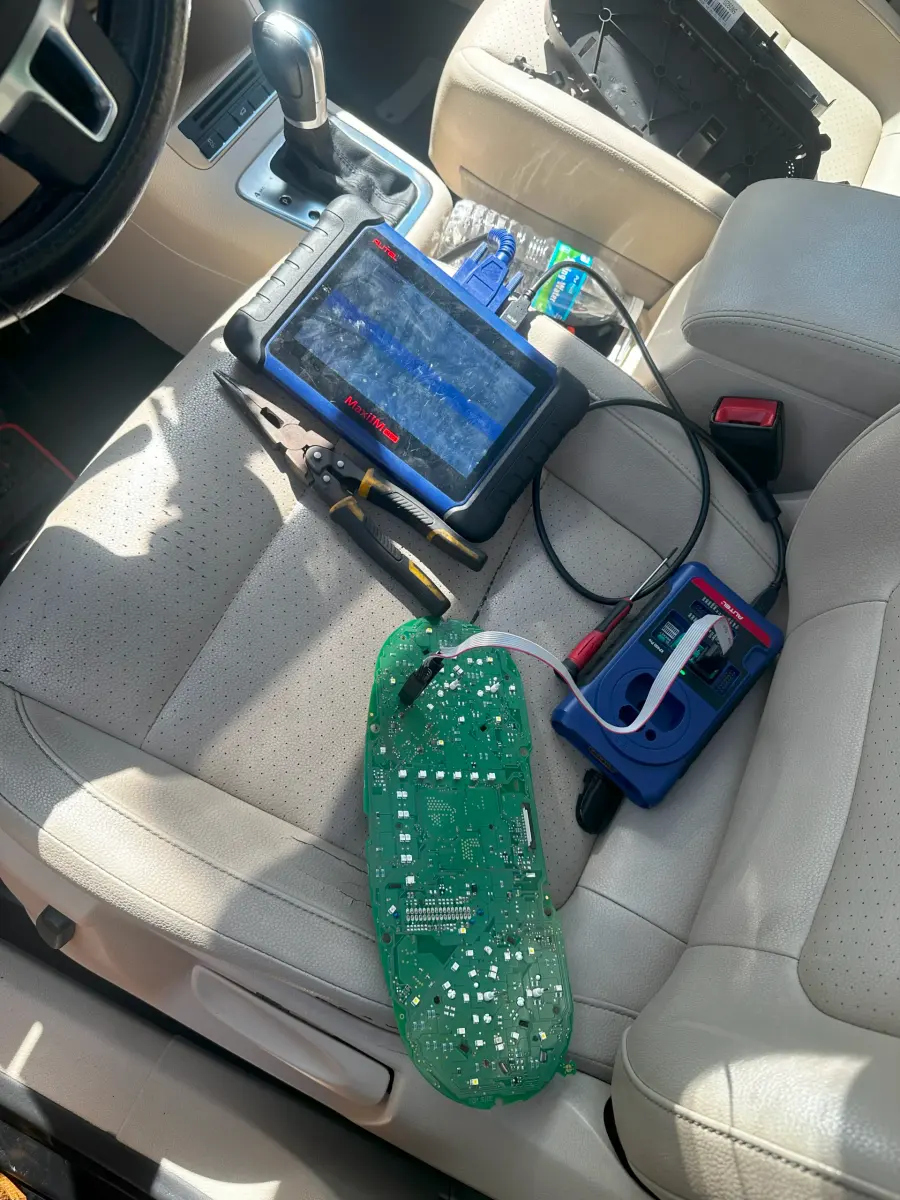
- Connect a programming tool to the car, usually through the diagnostic port, and add the new key's code to the car's memory.
- Test the key in the door, in the ignition and, for a remote, on every button.
Why Programming Matters Even When the Key Turns
A key that fits the lock but carries the wrong chip can mislead you into thinking the job is done. The ignition turns, the dashboard lights, the starter cranks, and then the engine cuts out because the computer has not accepted the code. A new key has to be checked by starting the car, not just by turning the lock.
This is also why a technician will ask for the make, model and year before arriving. A chip that works in one model can be wrong for another that looks the same. Getting the blank right the first time keeps the visit short and the key reliable, so the programming only has to be done once.
When All Your Keys Are Lost
Losing the last key is a bigger job than losing one of two, because there is no working key for the car to learn from. On many cars a locksmith can still program a new key from the diagnostic port, after cutting a blade from the lock. On some makes, the car's computer must be reset first.
If the car cannot be reached, the first call is a lockout: see our guide to being locked out of your car for what to do and what to avoid. A technician who comes to the car can often open it, cut the key and program it on the spot, without a tow.
Fobs, Remotes and Smart Keys
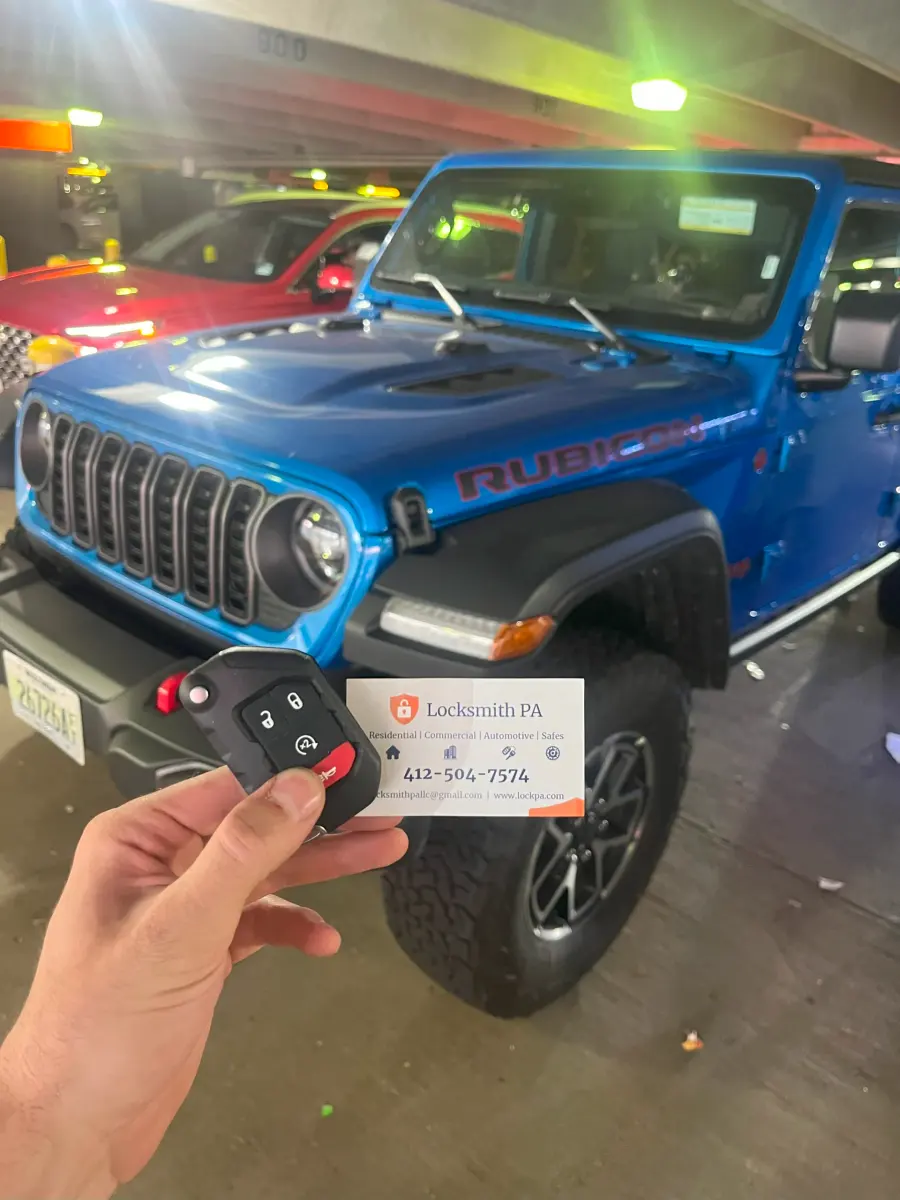
A remote or fob adds buttons to the key, and some cars use a smart key that stays in your pocket. Programming a remote means pairing it to the car so that lock, unlock and panic buttons work. A smart key also needs its chip registered so the push-button start will accept it.
Fob programming and transponder key programming are related but not identical. A key can have a chip and no remote, or a remote and a chip together. When you call, say which you have and which you need, and the technician will arrive with the right blank and the right tool.
A Spare Key Is Easier Before You Need It
Adding a key while you still have a working one is simpler than starting from nothing, because the car can learn the new key with the old one present. Ask about a spare at the next visit, and keep it somewhere that will not be locked in the car with the first.
Test the spare occasionally. A transponder chip can survive years in a drawer, but a remote's battery will not, and you do not want to find a dead fob on a night when it is the only key you have.
What to Expect When You Call About Transponder Key Programming
Tell the call-taker the make, model and year, how many keys you still have and where the car is parked. Say whether you also need a remote. The technician will plan the blank, the cutting and the programming around those answers, and can tell you before traveling whether the car is one that is done at the roadside.
All of this belongs to our automotive locksmith work, which also covers lockouts and key fobs. A car that is simple to program takes a short visit; an older or unusual model may need more time, and the technician will say so on the phone. Unlike the remote, the chip itself runs without a battery, so it is the remote that needs checking.
Frequently Asked Questions
Can a hardware store key start a car with a chip?
It can usually open the door if the blade is cut correctly, but it will not start a car that needs a chip. The car's computer has to learn the chip's code first, which takes a programming tool and not just a cutting machine.
Do I need to bring the car to you?
No. Locksmith PA is a mobile service, so a technician can cut the blade and program the key where the car is parked. Tell the call-taker the make, model and year so the right blank is brought along.
Is a remote the same as a transponder chip?
No. A chip lets the car recognize the key and allows the engine to start, while a remote operates the locks. Some keys have both, and each needs its own programming, so say which you need when you call.
Source: 49 CFR 571.114