Lock Change Pittsburgh PA
- Registered contractorPA192675
- Insured$1,000,000
- 12 months warrantyOn our work
- 24/7Mobile service
- 5.0 on Google25 reviews
Lock change Pittsburgh PA households need when a lock is worn, broken or too weak is done at your door by a mobile technician from our residential locksmith team. We fit a new lock or deadbolt, check that it lines up with the frame, and test it with the key before leaving. Our work carries a 12-month warranty.
When Should a Door Lock Be Replaced?
Replace a lock when it is worn, damaged, loose or stuck, when it has been forced in a break-in, or when it is too light for the door it protects. If the lock works smoothly and the only problem is lost keys, rekeying is the cheaper step. A technician can tell you which applies.
Signs a Lock Needs Replacing
Locks give warning before they fail. A key that sticks, a deadbolt that must be pushed or lifted to turn, a knob that wobbles, or a latch that does not spring fully back are all signs that internal parts have worn. Visible marks around the keyway or scratches from a forced entry are another reason to replace it.
Age matters too. A lock that has turned tens of thousands of times in a front door will eventually lose its fit. Replacing it on your schedule is calmer than doing so after it jams shut or the key breaks off in the cylinder.
- The key sticks, grinds or must be wiggled to turn.
- The deadbolt does not extend fully or catches on the strike plate.
- The handle is loose, or the latch does not retract smoothly.
- There are signs of tampering or forced entry around the lock.
- The hardware is a light interior-grade lock on an exterior door.
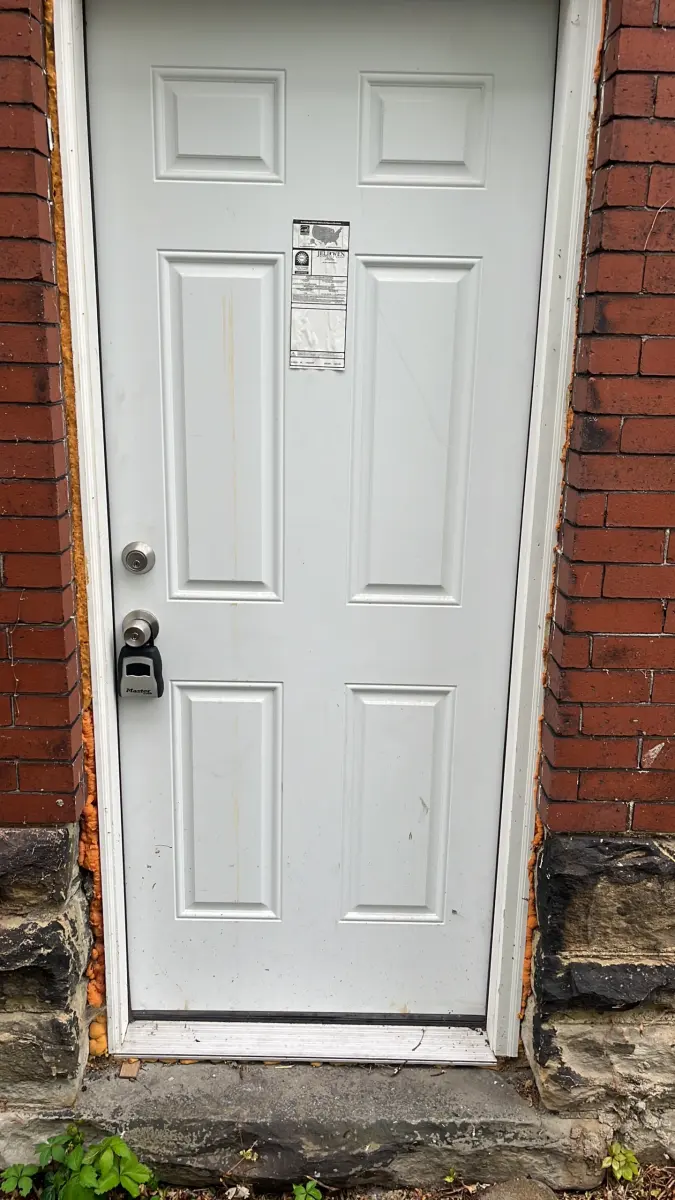
Deadbolt Installation and What Makes a Good One
A deadbolt is a separate bolt that slides into the door frame, and it is the part of a door lock that resists force. Deadbolt installation on a door that has only a spring latch adds a real layer of protection, since a spring latch can often be pushed back through the gap.
What matters is how far the bolt goes into the frame, and what holds the frame. A bolt that reaches deep into solid wood, with a strike plate fixed by long screws into the stud behind the frame, resists a kick far better than one held in the thin trim.
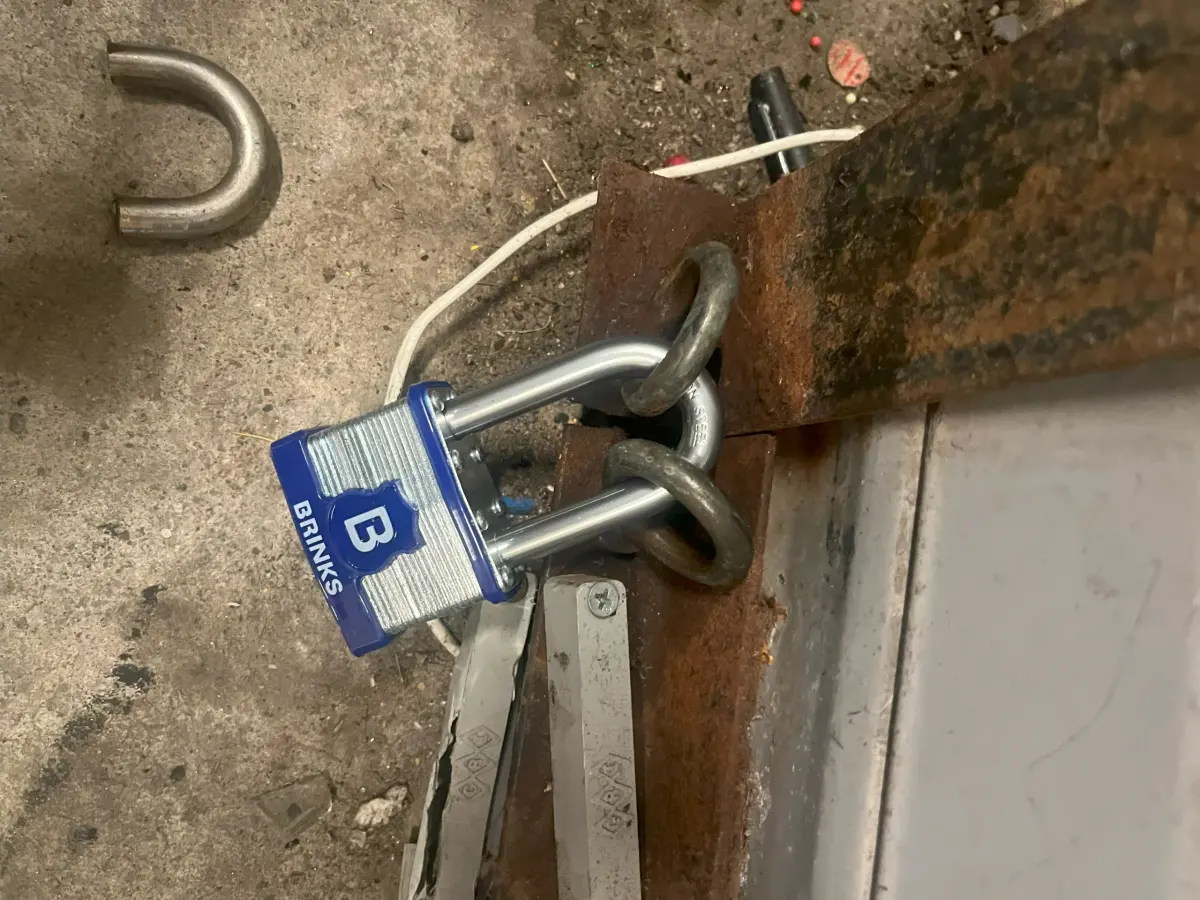
Parts of a Door Lock, in Plain Terms
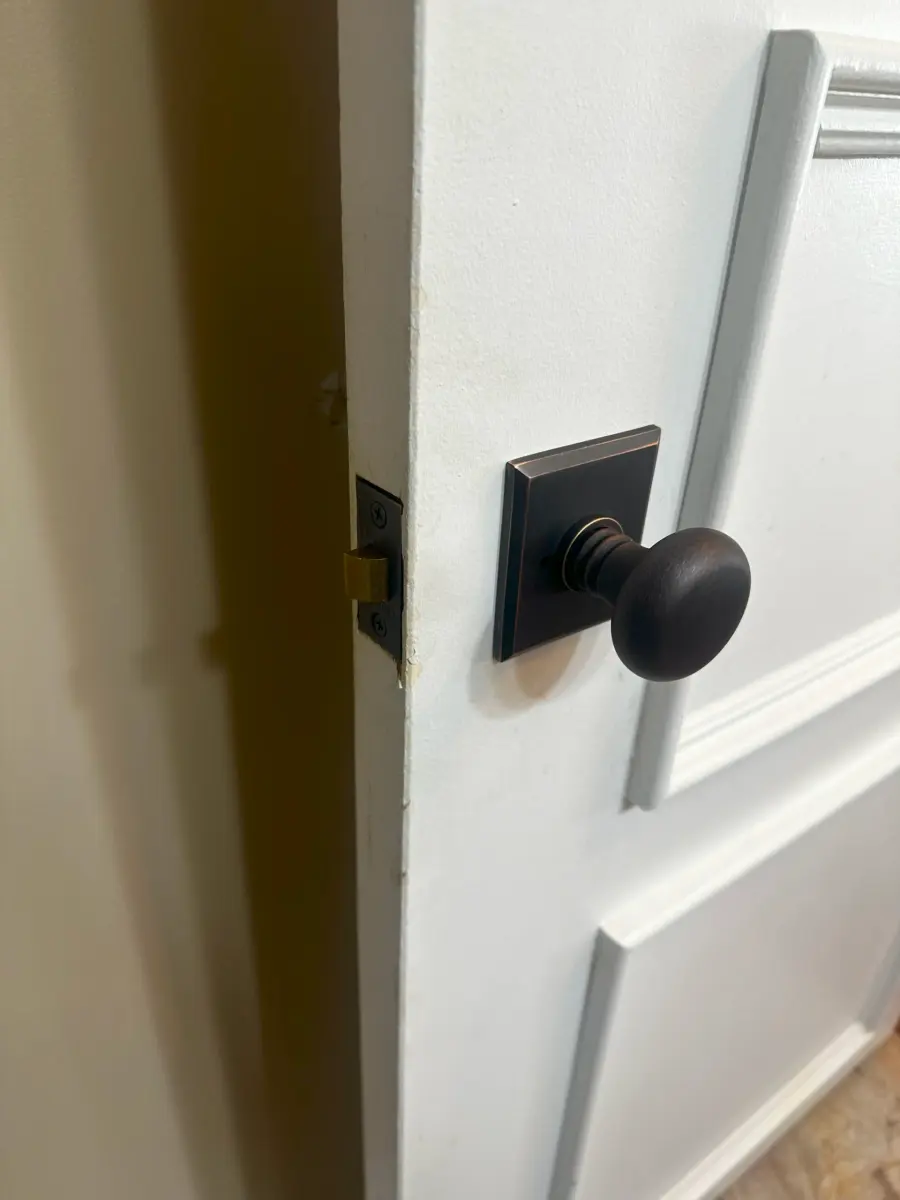
It helps to know the names. The cylinder is the part the key goes into. The bolt or latch is the metal piece that slides out into the door frame. The strike plate is the metal plate on the frame that receives it. The escutcheon or rose is the trim around the cylinder. Each part can wear or fail on its own.
Sometimes only one part needs replacing. A worn cylinder can be swapped without changing the handle, and a loose strike plate can be re-fixed with longer screws. A technician will say which part is at fault, so you pay for the repair you need and not for hardware that is still sound.
Lock Change Pittsburgh PA: What Happens at the Door
The technician inspects the door first. They check the thickness of the door, the holes already drilled, and the condition of the frame. Then they remove the old lock, fit the new one, and adjust the strike plate so the bolt and latch line up. Each lock is tested with the new key before the technician leaves.
If the existing holes do not suit the new lock, the technician can drill the door to fit. If the frame is cracked or split, they will say so, since a strong new lock in a weak frame gives less protection than it appears to. Repairs to the frame can be discussed at the same visit.
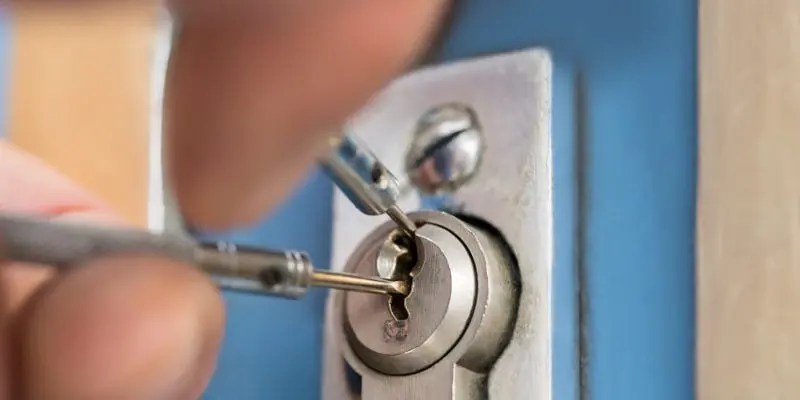
Replace Door Lock or Add a Second Lock?
Sometimes the best answer is not to swap the lock but to add one. A door with a knob and no deadbolt gains security from a deadbolt above it. A door with an aging deadbolt gains from a new one. To replace door lock hardware that is working poorly, a straight swap is the usual answer.
A technician will look at what is on the door now. They can explain the difference between a single-cylinder deadbolt, keyed on the outside and turned by hand inside, and a double-cylinder one that needs a key on both sides, and say which suits your door and your household.
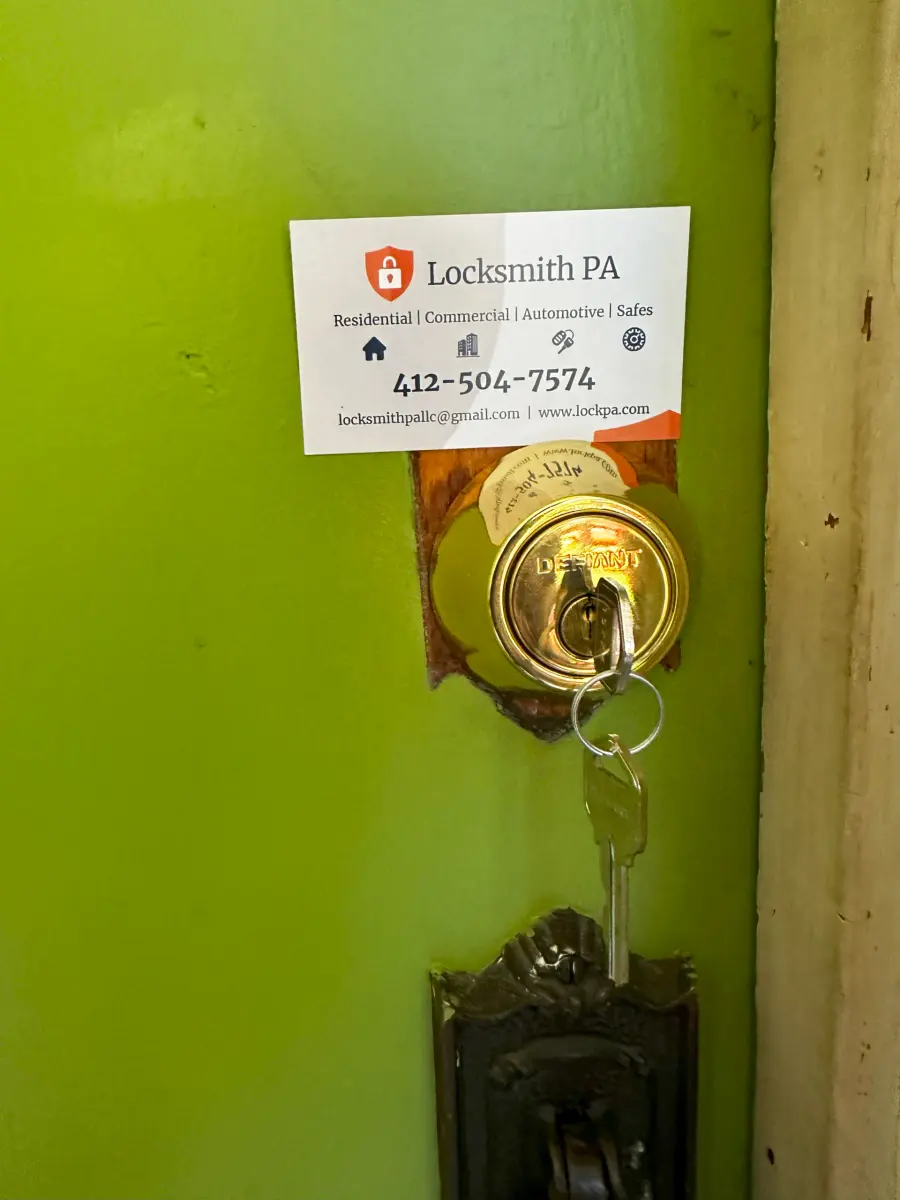
Doors That Need More than a New Lock
A lock is only as good as the door around it. A hollow door can be split with a kick, a frame cracked by an earlier break-in will not hold a new bolt, and a gap between door and frame lets tools reach the latch. If the technician finds one of these, they will tell you plainly.
Reinforcing the frame, fitting a longer strike plate or adding a second deadbolt can be done on the same visit. These steps cost less than replacing the door and make the lock work as intended, so ask about them if the door looks tired or has been forced before.
New Front Door Lock: Choosing the Hardware
When you are fitting a new front door lock, think about how you use the door. A family with children may want a thumb-turn inside for quick exit. A rental may want keys that can be rekeyed between tenants. Some households want a lock that matches a style of handle, or one that is keyed alike with the back door.
Door hardware carries a grade under the ANSI/BHMA system, and a higher grade means a sturdier lock built for heavier use. Ask the technician what grade the lock you are buying carries, and whether it suits a busy exterior door. Published figures differ between sources, so we leave out cycle counts.
Lock Replacement Versus a Smart Lock
If you are already replacing a lock, it is a good time to ask whether you would rather have keyless entry. A keypad or app lock can replace the deadbolt on the same door. Our smart lock installation page explains the types, the trade-offs and what the installation involves.
Lock replacement with a conventional lock remains the simplest, most reliable choice for many doors. A keyed lock needs no battery and no app, and if you already have the key habit, it asks nothing new of anyone in the household.
After the Change
Test the new lock from outside and inside, several times, with the door both open and closed. Make sure the key turns smoothly and the bolt extends fully. Keep the new keys safe, and give a spare to someone you trust. A lock change Pittsburgh PA customers book with us carries a 12-month warranty, so call if it ever gives trouble.
If you are locked out while waiting for the work, our house lockout service can get you inside. To arrange a lock change, call (412) 504-7574 or send a request using the form, and tell us how many doors need attention.
Frequently Asked Questions
Is a lock change the same as rekeying?
No. Rekeying changes the inside of the lock you already have, so old keys stop working. A lock change fits new hardware. Rekey if the lock is sound, and replace it if the lock is worn, damaged or too light.
Can you fit a deadbolt on a door that has none?
Usually yes. The door needs to be thick enough and the frame sound enough to hold the bolt. The technician checks both, drills the necessary holes, and fits the lock and strike plate.
Do I need to buy the lock first?
Not necessarily. Tell us what you want when you call and we will discuss options. If you already have a lock you want fitted, say so, and we will check it suits your door.
Will you remove the old lock?
Yes. Removing the old hardware is part of the job. If you want to keep the old lock or the old keys for any reason, tell the technician at the start.