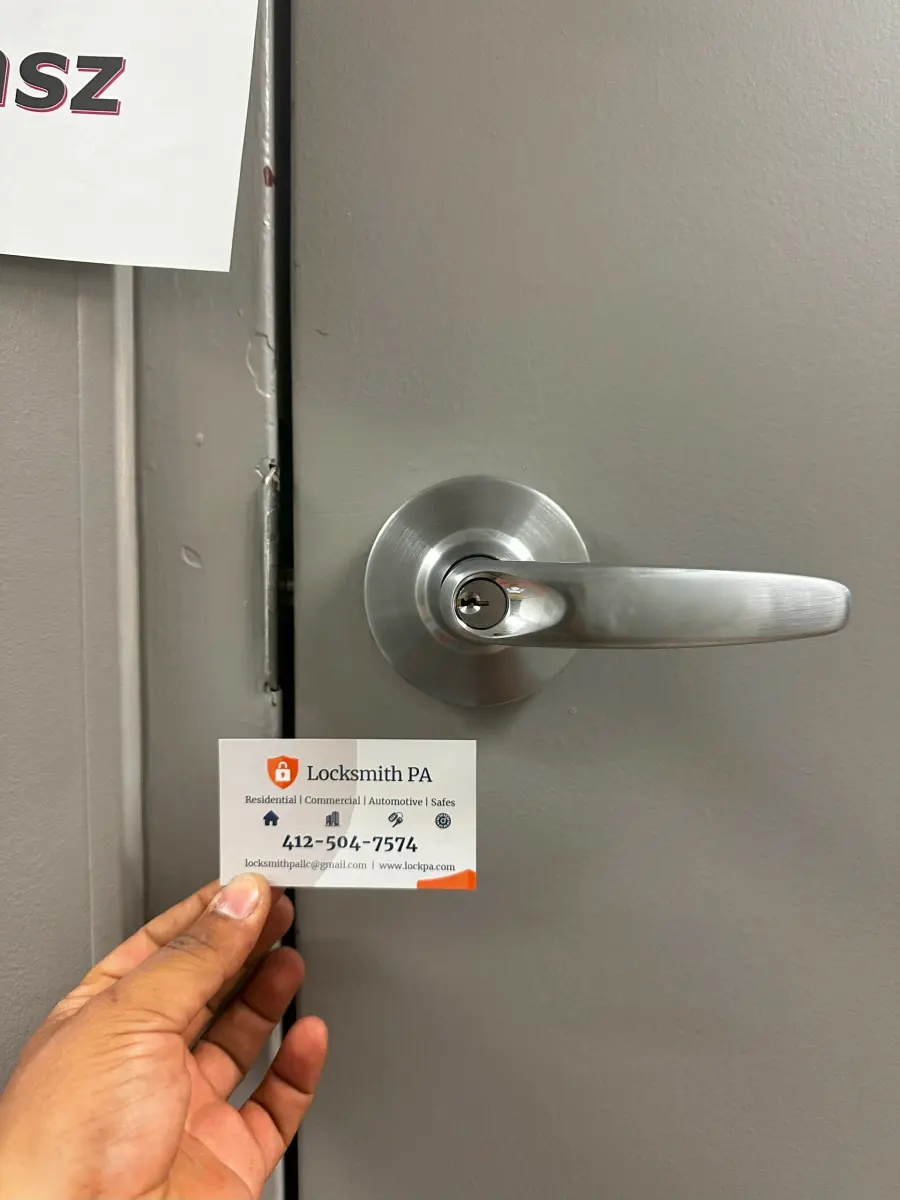
Commercial Lockout Pittsburgh PA
- Registered contractorPA192675
- Insured$1,000,000
- 12 months warrantyOn our work
- 24/7Mobile service
- 5.0 on Google25 reviews
A commercial lockout Pittsburgh PA business owners can fix quickly starts with a phone call. Tell us where the premises are and what has happened, and a mobile technician from our commercial locksmith team comes to the door. The aim is to open the building without damage, so staff and customers can get in.
How Is a Locked Business Door Opened?
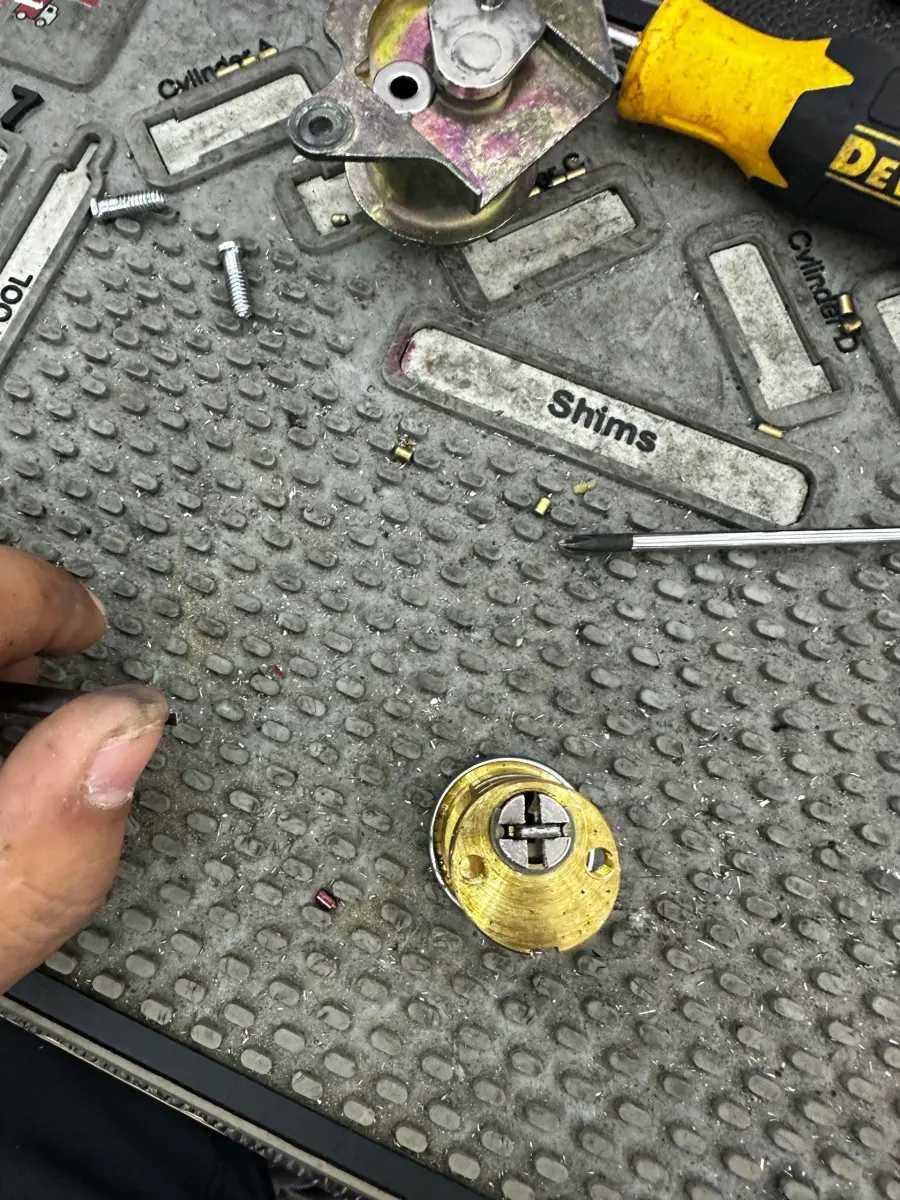
The technician picks or bypasses the lock with specialist tools, in the way a key would work it. Many commercial locks open without damage. If the lock is broken, seized or an unusual high-security type, it may need to be drilled, in which case it is replaced so the door can be secured.
Why Businesses Get Locked Out
Most business lockouts are everyday problems. A key goes missing, a staff member leaves with the only copy, a lock jams in the cold, or a door that self-locks closes behind someone. Others are bigger: a lock damaged in a break-in, or a door that will not open after maintenance on the building.
The result is the same, a team standing outside and a business that cannot trade. Because every hour closed costs money, a call that brings a technician quickly is worth making early, before anyone attempts to force the door.
- A lost or unreturned key, particularly when the only copy was with one person.
- A lock that has jammed or seized, so the key will not turn.
- A self-locking door that shut with the keys left inside.
- Damage to a lock after a break-in or an attempted one.
- A door that cannot be opened after a power or access-control fault.
Office Lockout Service and Who May Be Let In
Before opening any business door, a locksmith should be sure that the person asking is entitled to enter. Expect to be asked who you are, what your role is, and how to confirm it, such as a lease, a business license or a letter from the owner. This protects the business from someone trying to gain entry who has no right to.
If you are staff and do not have the authority, ask the owner or the property manager to call us. The technician will not open a door for a person who cannot show the right to enter, and that is for your protection as much as anyone's.
Commercial Lockout Pittsburgh PA: The Visit Step by Step
The technician arrives, confirms the details, and looks at the door and its lock. They explain the method and then open the door. Afterwards they test the lock with the key to make sure it still works and tell you if the lock needs work, such as a worn cylinder or a damaged latch.
If keys are lost, the visit can continue into rekeying so the lost key no longer opens the door. See our commercial lock rekey page for how that works. Doing both in the same visit saves a second call and removes the security gap at once.
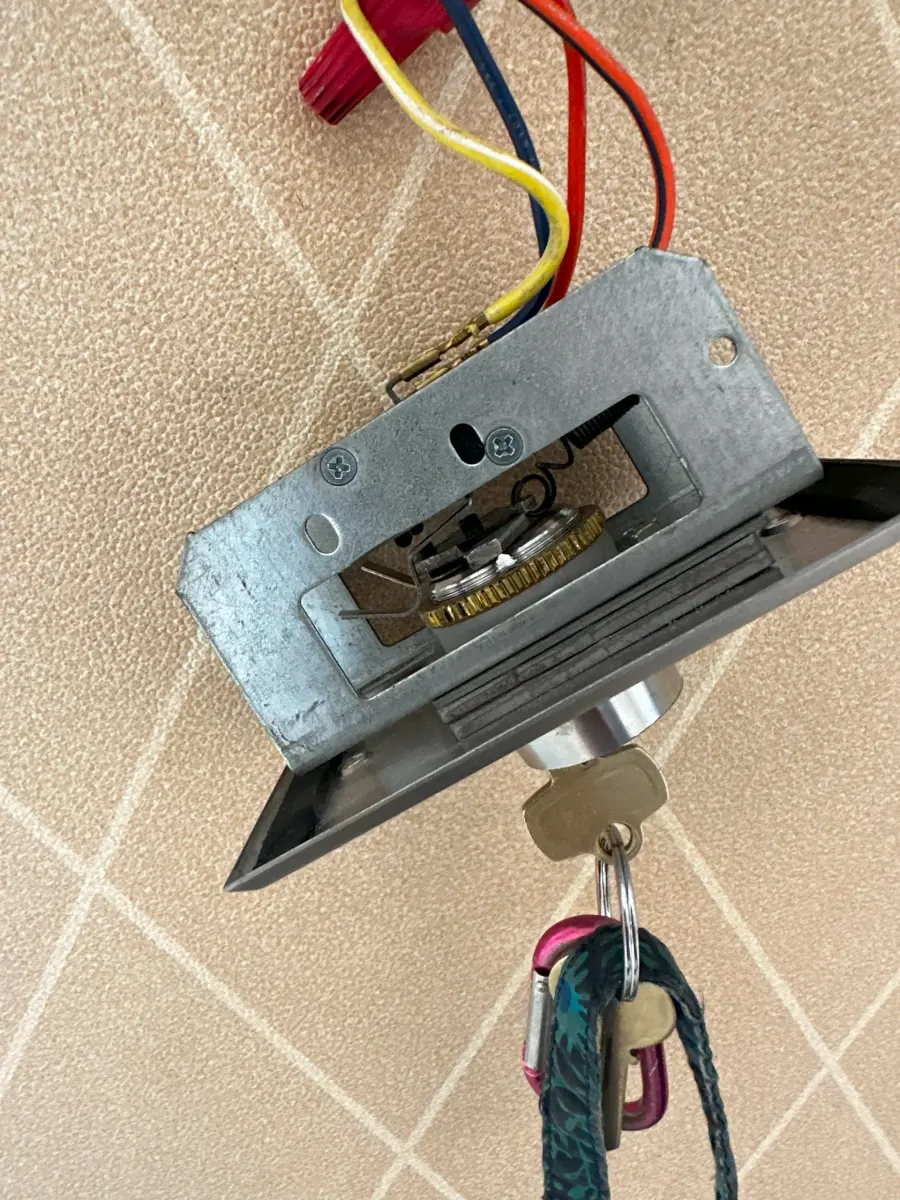
What Staff and Managers Can Do to Prepare
A little preparation shortens any lockout. Keep a list of who holds a key to each door and where the spares are. Keep the landlord's or building manager's number where staff can find it. Make sure at least two trusted people can authorize a locksmith, so one absent manager does not leave the business shut.
If your premises have an alarm, remember the code and the name of the monitoring company, since opening a door can set it off. If there is a hidden key box, check that it is still in place and that the code has not been changed without telling everyone who needs it.
Business Lockout, Locked Inside and After-Hours Entry
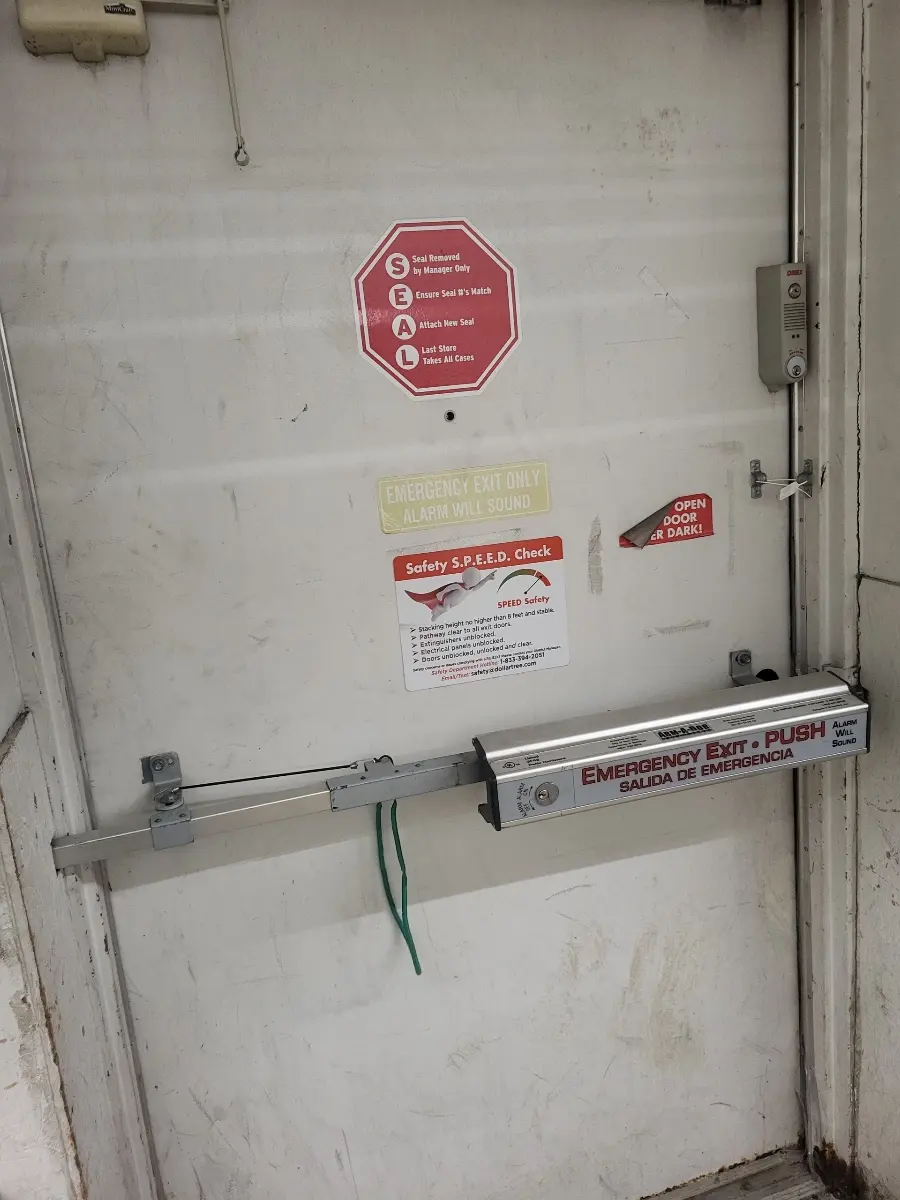
Some lockouts are the other way round. A person can be locked inside a building, or an alarm and a door lock together can stop staff leaving. If anyone is trapped or in danger, call emergency services first. Doors on exit routes are also governed by chapter 10 of the International Building Code, so a locksmith must never make an exit door harder to open from inside.
For after-hours entry, such as a night shift or a locked premises on a weekend, calls are taken around the clock. The after-hours emergency page sets out how those calls are handled, and what the call-taker will ask you for.
Locked Out of Business: What to Do First
Check the simplest options. Try every entrance, ask whether another member of staff holds a key, and contact the landlord or building manager, who may hold a master key. If the building has an access card or code system, try the administrator's route before anything else.
Do not force the door or break glass. Forcing a commercial door can bend a heavy frame, damage the closer, or trip an alarm, and a broken pane leaves the premises open. A call to a locksmith usually costs less in the end than the damage a forced entry causes.
Commercial Door Unlock for Different Door Types
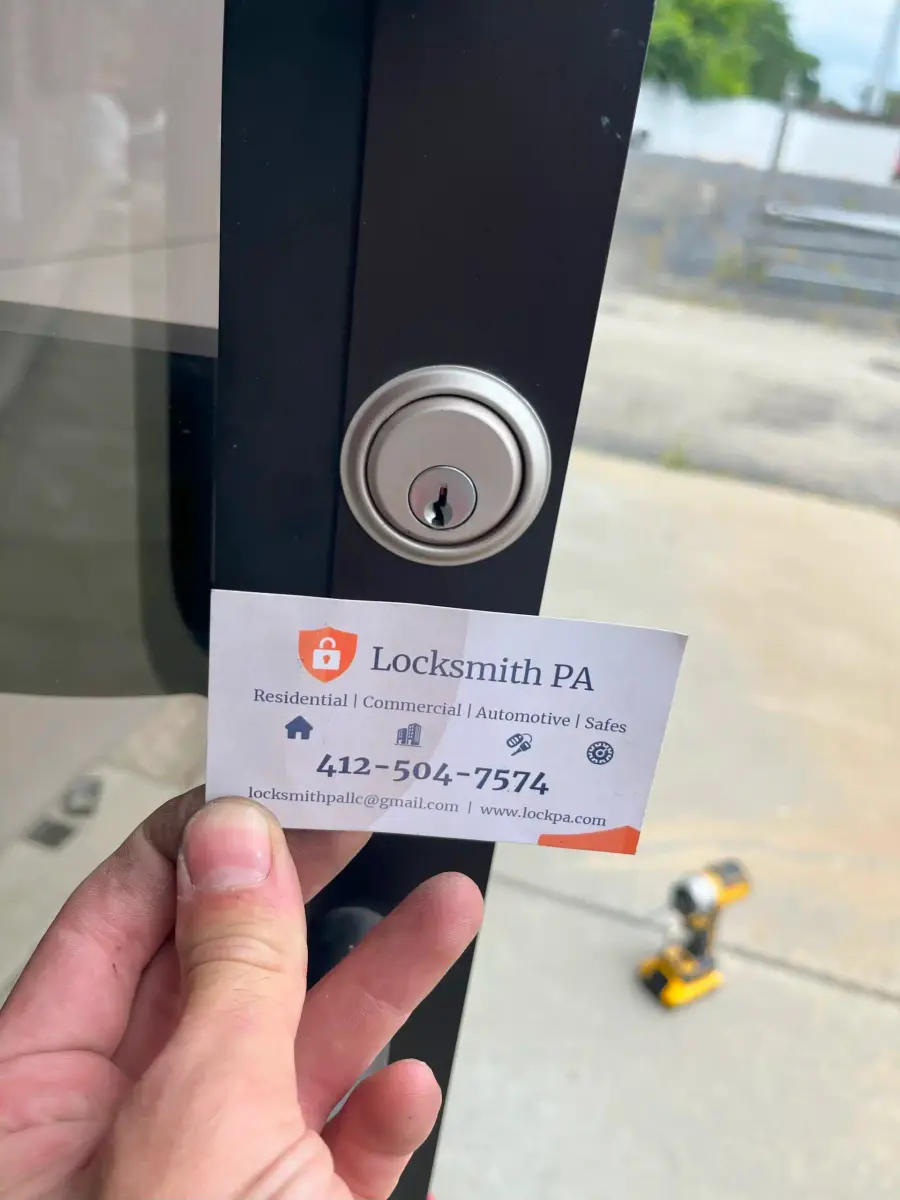
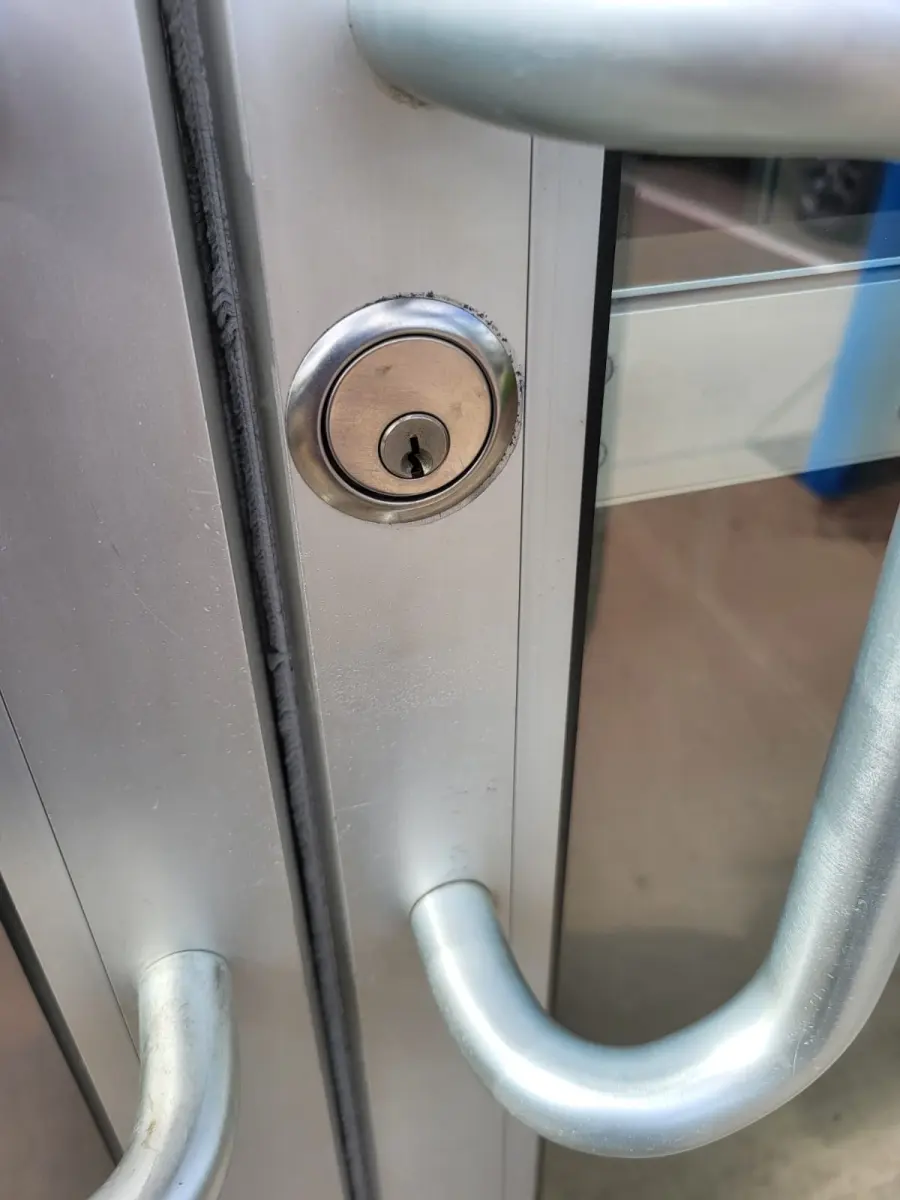
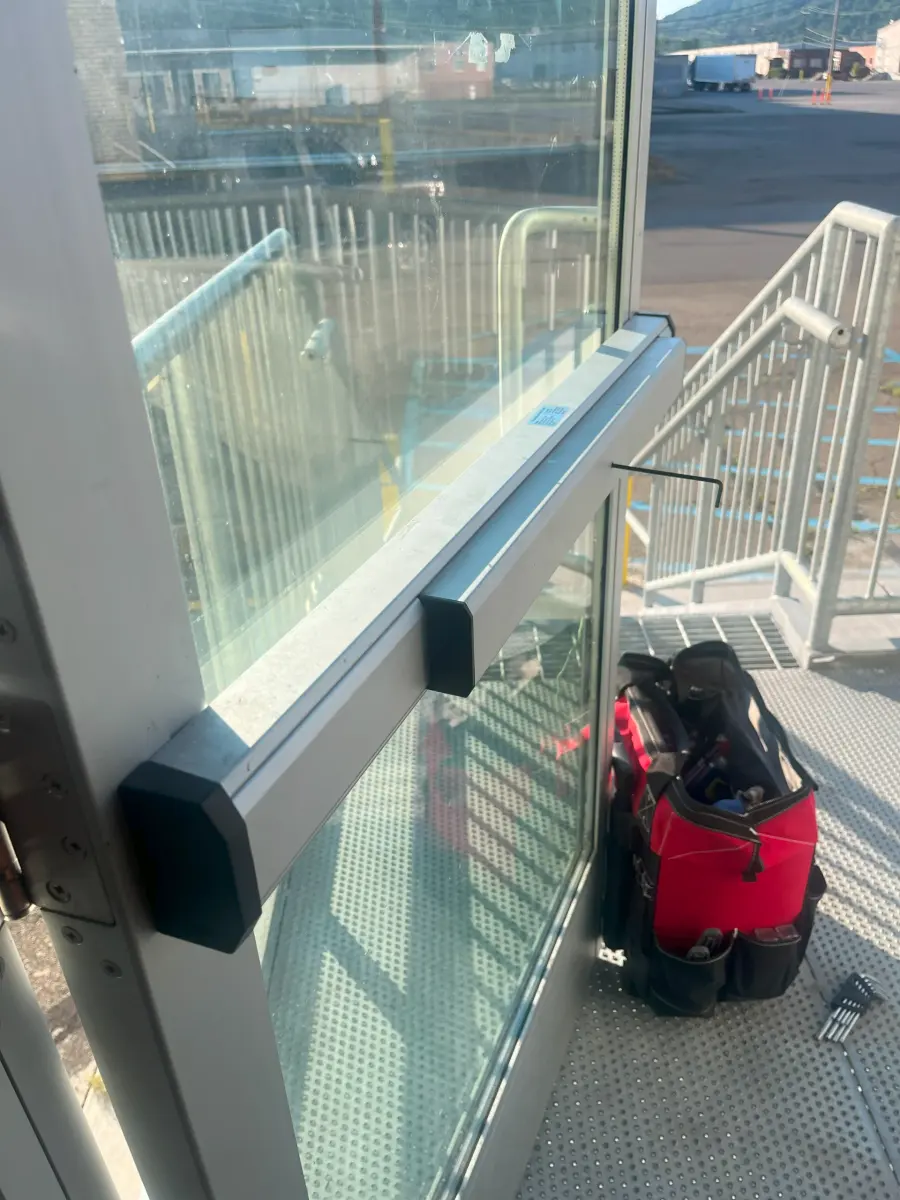
Commercial door unlock methods depend on the door. A glass storefront door often has a floor lock or a lock built into a narrow aluminum frame. A steel office door may have a heavy cylindrical lever. A back door may have an exit device on the inside with a cylinder on the outside. Each needs its own approach.
Telling us what the door looks like when you call helps. Say whether it is glass, steel or wood, whether it has a push bar inside, and whether it has a deadbolt as well as a lever. The technician can then bring the right tools for that particular door.
Insurance, Landlords and the Paperwork Afterward
If a lockout follows a break-in, keep records. Photograph the damage before anything is repaired, note the time and who attended, and keep every receipt. Your insurer will want these, and so may the landlord if the damaged lock belongs to them rather than to you.
Ask the technician to put in writing what was done to the lock, such as a rekey or a replacement, and on what date. A short record helps if a dispute arises later over who changed what, particularly in a rented unit where the lease governs the locks.
After the Lockout: Making the Premises Secure
Once you are in, make sure the building can be locked properly again. Test the lock with the key, and if keys are missing, decide whether to rekey or replace. Keep a list of who holds a key, and retrieve any that are unaccounted for. If the lockout followed a break-in, tell your insurer and the police.
If the hardware is old, a lockout is also a prompt to review it. A technician can look at the other doors while on site. Our master key systems page explains how a key plan can prevent repeat problems in a building with many doors.
Book a Visit
Call (412) 504-7574 or ask for a callback through the form. For any commercial lockout Pittsburgh PA premises face, give the address, the kind of premises and the door, and say whether anyone is inside. Work is warranted for 12 months, and our contractor registration is PA192675.
Frequently Asked Questions
Do you need proof I own or manage the business?
We need to be satisfied that you are entitled to enter. A lease, a letter from the owner or manager, or a business document with the address usually suffices.
Will you damage the door?
We aim to open it without damage, by picking or bypass. If the lock is broken or is a high-security model, drilling may be needed, and the technician will tell you first.
Can you come at night?
Yes. Calls are taken around the clock, so a locked-out night shift or an early-morning opening can be dealt with by a technician sent to the site.
Can you secure the door after a break-in?
Yes. After a break-in, the technician can open the door if needed, repair or replace damaged hardware, and rekey so the building is secure again.
Source: 2021 IBC chapter 10 (ICC)