House Lockout Pittsburgh PA
- Registered contractorPA192675
- Insured$1,000,000
- 12 months warrantyOn our work
- 24/7Mobile service
- 5.0 on Google25 reviews
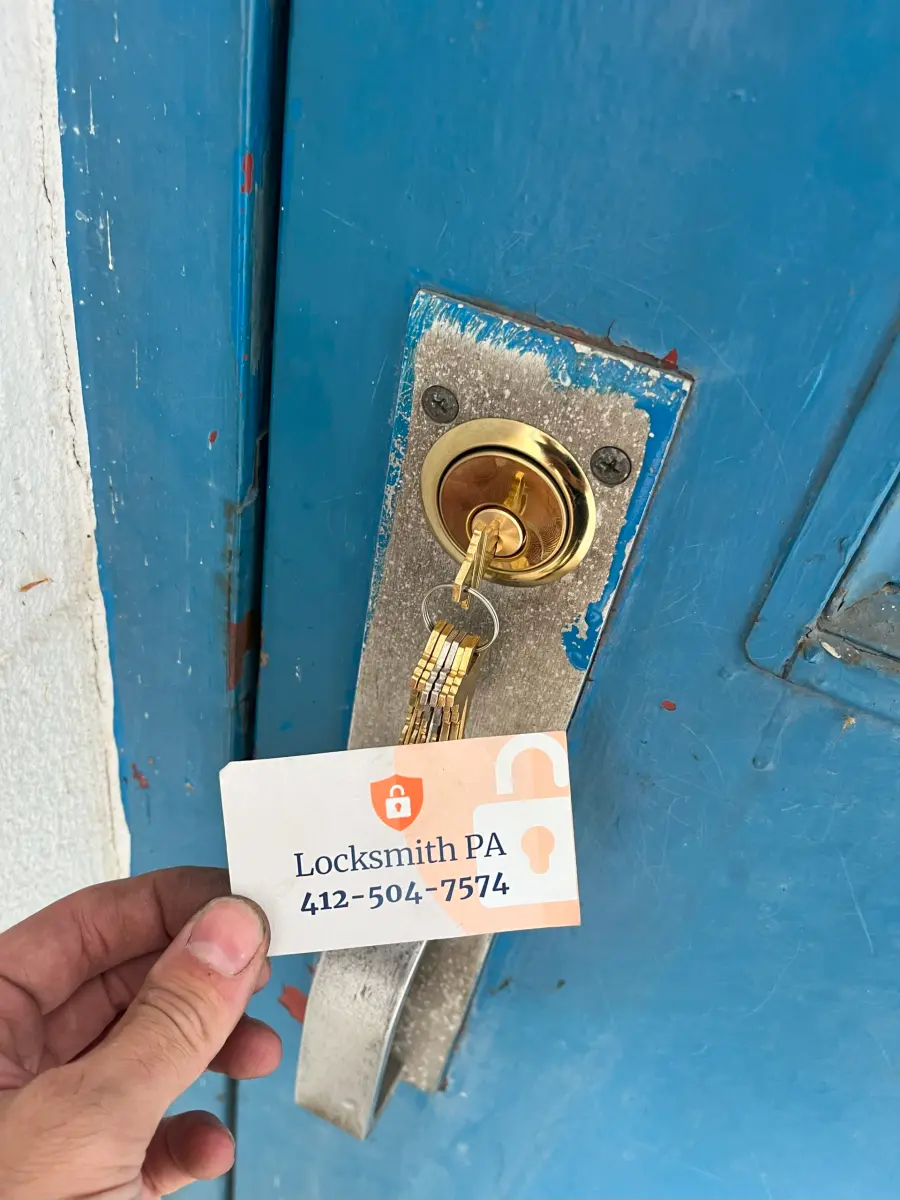
A house lockout Pittsburgh PA homeowners and renters can fix starts with a phone call to a mobile locksmith. Tell us the address and what happened, and a technician comes to the door. Where the lock allows it, we get you inside without drilling it, and we can follow up with a lock rekey if keys are lost.
How Do You Get into a Locked House?
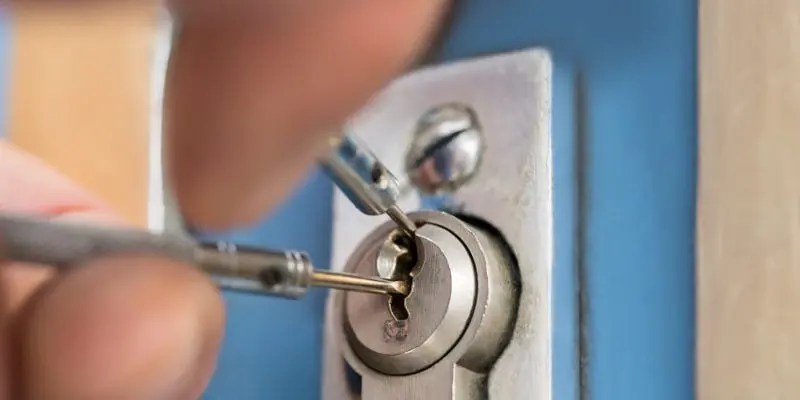
A locksmith picks or bypasses the lock with specialized tools, working the pins or the latch the way a key would. For many locks this opens the door with no damage. Drilling is the last resort, used only when a lock is broken or high-security, and the lock is then replaced.
Why People Get Locked Out of Their Homes
Most lockouts are accidents. A door that locks itself behind you, keys left on the kitchen counter, or a spare that was never made. Others come from a lock that fails: a key breaking off in the cylinder, a latch that jams, or a deadbolt that swells shut in damp weather.
- Keys left inside when a self-locking knob or lever shuts behind you.
- A key snapped in the lock, with half still in the cylinder.
- A stuck deadbolt or latch that will not retract even with the right key.
- Lost or stolen keys, with a need to secure the home afterward.
- A lock damaged by a failed break-in attempt.
What a Technician Needs to Know Before Arriving
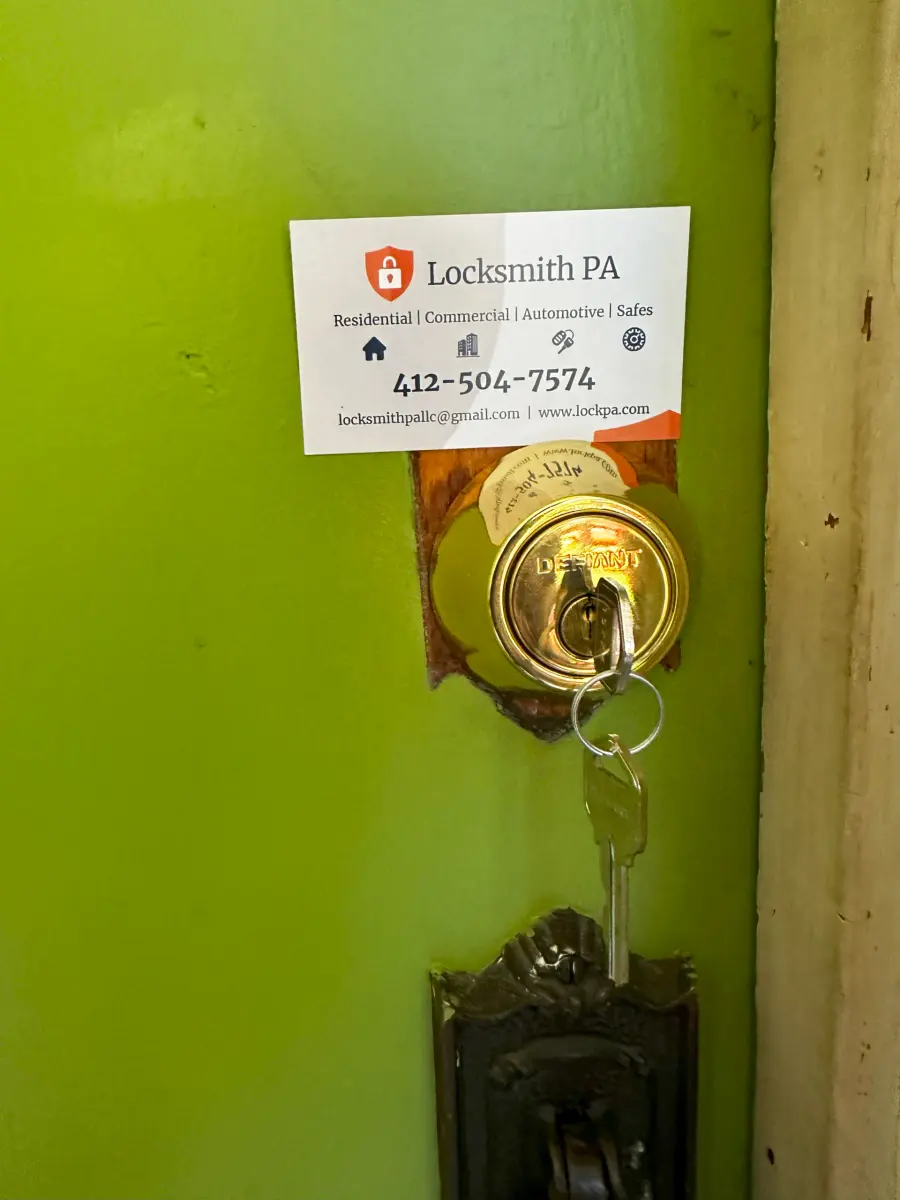
The more you can say on the phone, the better the technician can prepare. Give the address and the door that is locked, and describe the lock if you can: a round knob, a lever handle, a deadbolt above it, or a keypad. Say whether the door opens inward or outward, and whether a second lock is fitted.
Mention anything that might change the plan, such as a lock that is stiff, a key that broke off, or a door that sticks in damp weather. If a pet or a child is inside, say so first, since it changes how quickly the technician needs to work and whether emergency services should be called.
Locked Out of House: What to Try First
Before calling, spend two minutes on the free options. Check every door and window you can safely reach, ask whether anyone else has a key, and contact your landlord or property manager if you rent. If you have a smart lock with a code or an app, try that before anything else.
Lock Types and How They Are Opened
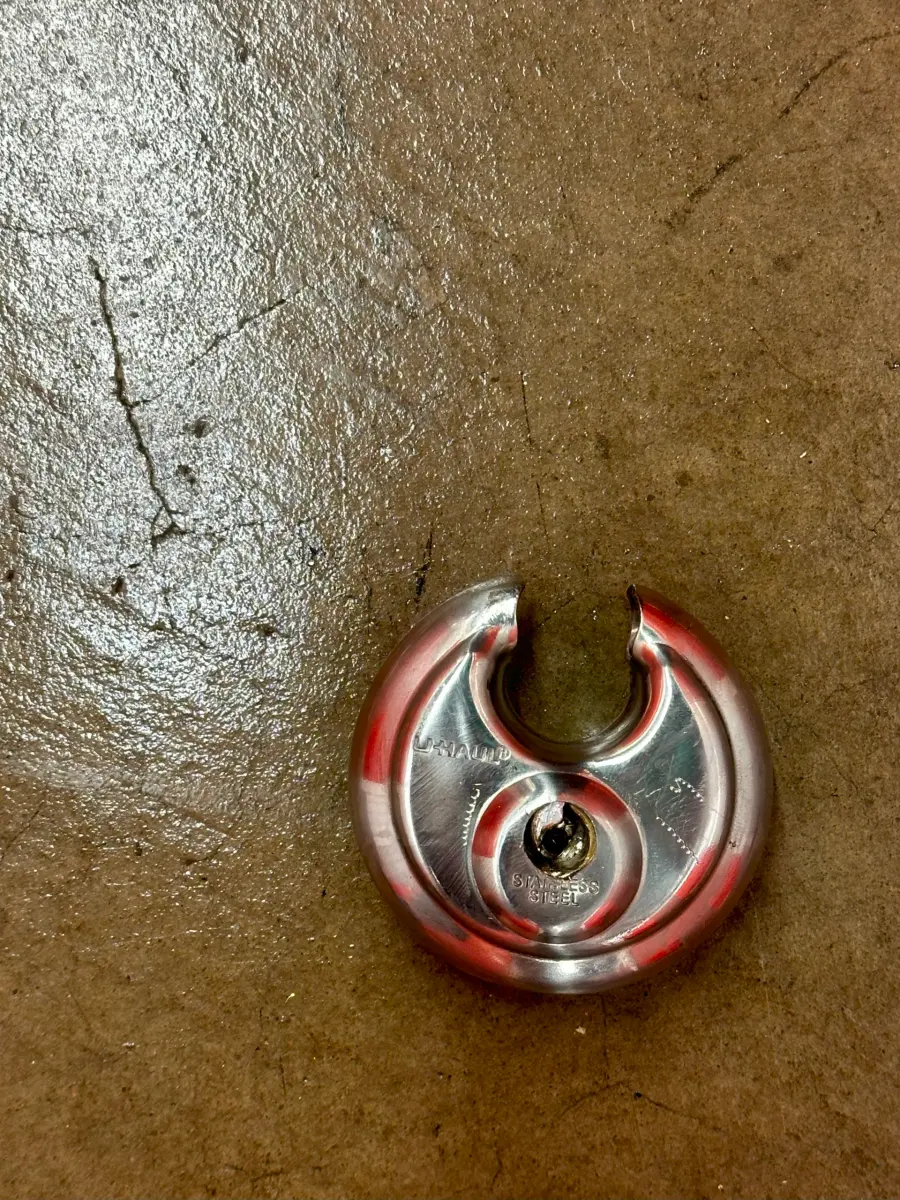
Pin tumbler cylinders are the most common household lock. They hold a row of spring-loaded pins, and the right key lifts each pin to the same height so the cylinder can turn. A locksmith lifts the pins one by one with fine tools and a tension wrench, which turns the cylinder just as the key would.
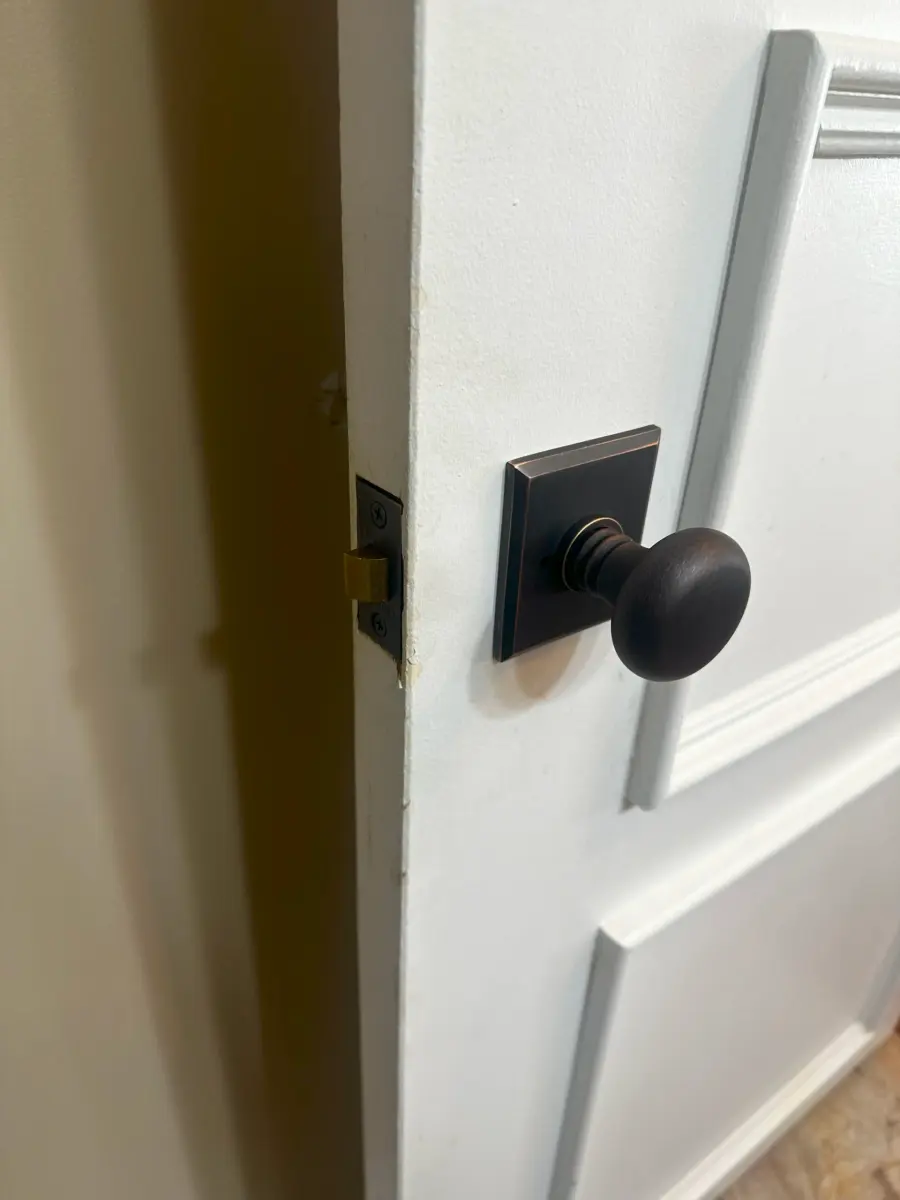
Spring latches, the kind found on many interior knobs and some entry doors, are held by a sloped bolt that can sometimes be pushed back through the gap. Deadbolts have no slope and must be turned by the lock itself. Each type needs its own method, and a technician chooses by what the door shows.
House Lockout Pittsburgh PA: How the Visit Goes
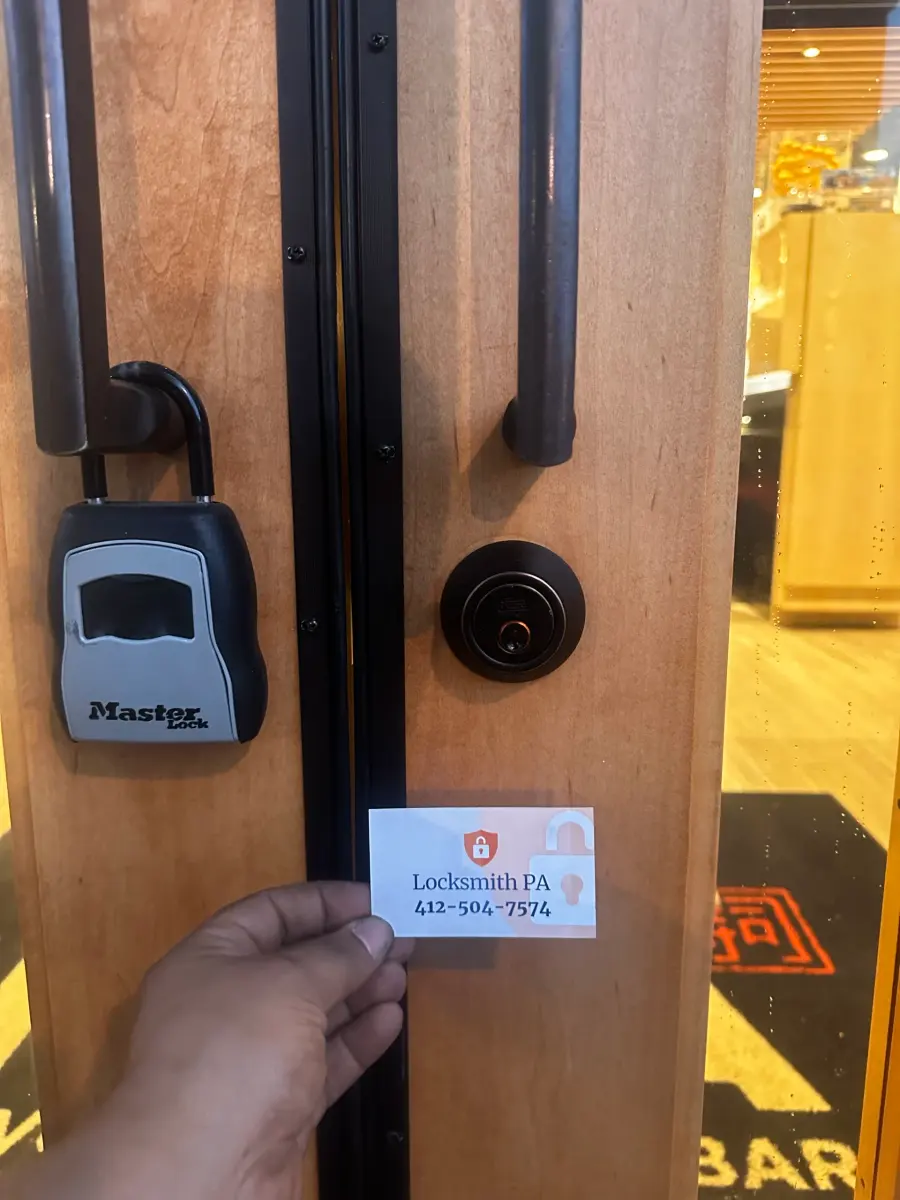
When the technician arrives they will ask for proof that you live at the property, such as a utility bill or a lease, before opening the door. This protects you as much as them. Then they choose the least damaging method for your particular lock and explain it before starting.
Most doors open in a few minutes. After entry the technician checks that the lock still works smoothly with the key, and tells you if it is worn or damaged. If you have lost the key, the next step is to decide whether to rekey or replace the lock.
Rekey or Replace After a Lost Key
If a key is lost or stolen, treat the lock as no longer secure. Rekeying changes the internal pins so the old key stops working and a new key fits, while keeping the same lock body. Replacing the lock fits a new one, which makes sense when the old hardware is worn or damaged.
Our rekey service and lock change and deadbolt installation pages explain each option. For a home that you want to secure properly, the overview on our residential locksmith page is the best place to start.
Check the lock's ANSI/BHMA rating before buying a replacement; a higher grade means sturdier hardware, and your technician can read the grade from the box. Replacing hardware is also the moment to check the door itself, since a loose frame or a worn strike plate can undo a good lock.
Locked Out of Home at Night or on a Weekend
Our phone is answered at any hour, so a lockout at midnight is handled the same way as one at noon. Call (412) 504-7574, give the address, and wait somewhere safe while the technician travels. If you feel unsafe outside your home, go to a neighbor or a public place and call from there.
After-hours calls are covered in more detail on our 24/7 emergency locksmith page. The service is the same mobile service, with the same technician and the same checks at the end of the visit, whatever the hour on the clock.
Home Lockout Service and Your Landlord
If you rent, tell the landlord or property manager you are locked out, because the lease may say who arranges and pays for entry. Some landlords hold a spare key. A locksmith can usually open the door only for a person who can show they live there, and a tenant should not rekey without permission.
A home lockout service should leave the door secure. If the lock is damaged during the lockout and the landlord owns it, take photos and tell them. A clear account of what happened protects you from any later dispute over the lock.
Unlock Front Door Safely: What Not to Do
It is tempting to unlock front door latches with a credit card or a screwdriver. A card works only on a spring latch with no deadbolt, and it often bends or snaps. A screwdriver can wreck the strike plate, split the door frame and leave the home less secure than before the lockout.
Do not break a window unless someone inside is in danger, since glass repair is more costly than a call-out and the broken pane leaves the house open. Call us or, if anyone is at risk, emergency services.
What a Lockout Call Does Not Cover
A house lockout Pittsburgh PA visit gets you inside. It does not by itself repair a broken door, a split frame or a damaged strike plate. If the visit shows that the hardware needs work, the technician will say so, explain what is wrong, and agree any further job with you before starting it.
Making It Harder to Get Locked Out Again
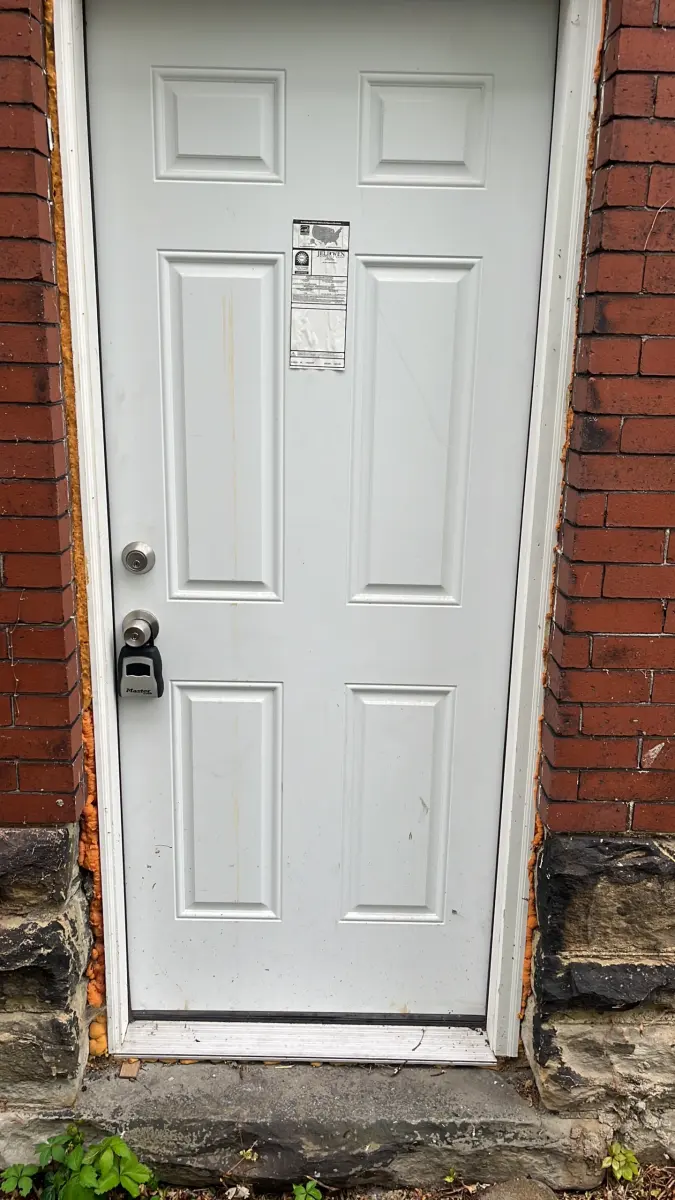
A spare key held by a trusted person, a lockbox with a code, or a keypad or smart lock removes most risk of a repeat. Our smart lock installation page explains the options. Check every key you hold actually turns the lock smoothly, because a worn key is the one that will break off.
Frequently Asked Questions
Will you have to drill my lock?
Only as a last resort. Most residential locks can be opened by picking or bypass without damage. If a lock is broken or high-security, drilling may be needed, and the technician will tell you before doing it.
Do I have to prove I live here?
Yes. A locksmith should confirm you are entitled to enter before opening a door. A lease, a utility bill or a photo ID showing the address is usually enough.
Can you open a deadbolt as well as a knob lock?
Yes. Deadbolts, knob locks and lever handles can all be opened. High-security cylinders take longer, and a few need to be drilled and replaced.
Should I change the lock after a lockout?
Only if keys are lost or someone else may hold one. If you simply left the key inside, the lock is as secure as before, and no change is needed.