- Registered contractorPA192675
- Insured$1,000,000
- 12 months warrantyOn our work
- 24/7Mobile service
- 5.0 on Google25 reviews
A residential locksmith Pittsburgh PA homeowners and renters can call handles the locks on your house or apartment without you leaving home. This page explains the seven home services we offer: getting back in after a house lockout, rekeying, changing locks, smart locks, lock repair, security upgrades and spare keys. A mobile technician comes to the door, and one phone number covers them all.
What Does a Residential Locksmith Do?
A residential locksmith opens locked homes, changes which keys fit a lock, fits new locks and deadbolts, and repairs worn hardware. The work happens at your front door, with no lock carried to a shop. Most visits finish in one trip, with every lock tested before the technician leaves.
You may also see this trade described as a home locksmith, or as house lock service. Both mean the same thing: someone who looks after the locks on the doors of a house or apartment. We do the same work for owners, tenants and landlords, and we explain each service in plain terms on its own page.
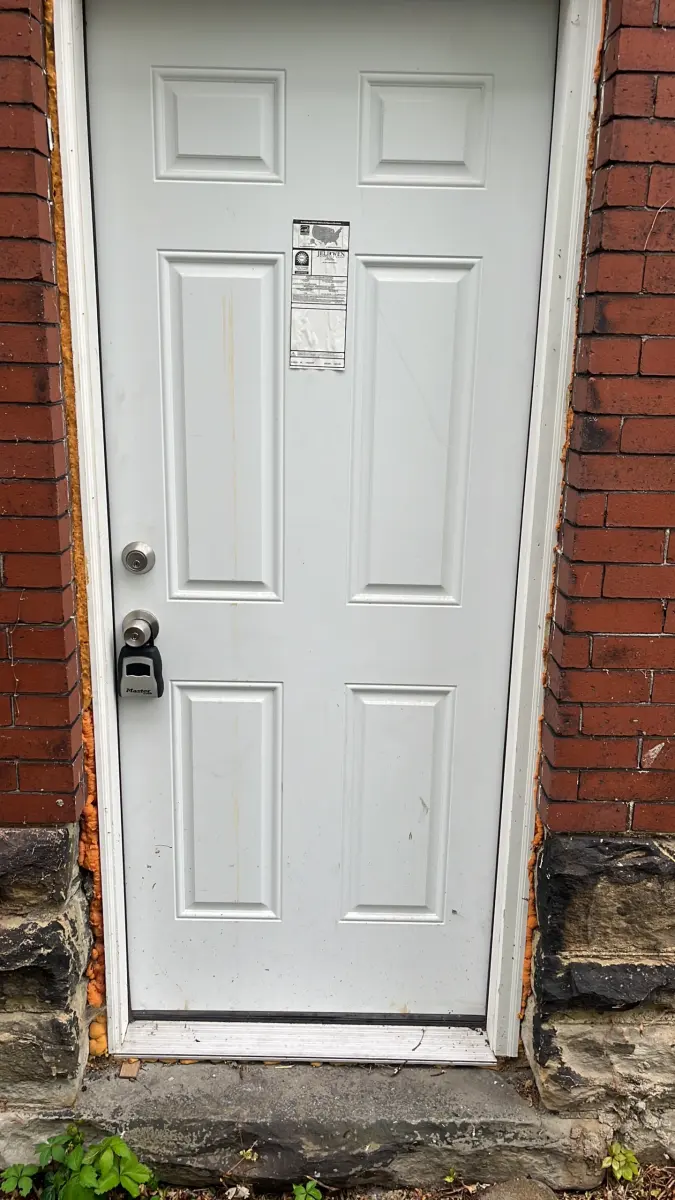
Seven Home Services, and Which One You Need
Choose by the problem in front of you. If you are outside and cannot get in, you need a lockout visit. If you have just moved in or lost a key, you need your locks rekeyed. If the lock is old or damaged, you need it replaced. If you want to stop carrying keys, you need a smart lock. If a lock sticks, you need a repair; if a door feels weak, a security upgrade; and if you need more keys, copies.
Each service has its own page with the full detail. Rekeying is explained on our lock rekey page, replacements and new deadbolts on lock change and deadbolt installation, keyless entry on smart lock installation, faults on lock repair and stronger doors on security door locks.
- House lockout: entry to your home, with no drilling where the lock allows it.
- Lock rekey: new keys for your existing locks, so lost or old keys stop working.
- Lock change: a new lock or deadbolt fitted where the old one is worn, damaged or weak.
- Smart lock installation: a keypad or app-controlled lock fitted and tested on your door.
- Lock repair: sticking keys, dragging deadbolts, loose knobs and latches fixed at the door.
- Security door locks: Grade 1 deadbolts, reinforced strikes and key control for weak doors.
- Key duplication: spare keys cut and tried in each lock before the technician leaves.
Home Locks in Pittsburgh Houses
Pittsburgh has a lot of older housing. In 31 of the 60 communities we serve, more than half of the homes were built before 1970, according to the American Community Survey 2024 five-year estimates from the U.S. Census Bureau. Homes of that age often have original or long-replaced locks that are worn, and a lock that has turned thousands of times can bind, stick or fail.
Older doors also differ from new ones. Some have mortise locks set into the edge of the door, some have bored knobs and deadbolts, and some have been refitted many times so that holes and frames are no longer square. A technician looks at the door first, because that decides what can be fitted.
Where a House Usually Needs Attention First
A home has more entry points than people count. The front door gets the attention, but the back door, the garage side door, the basement door and any porch door all have locks that can fail or be copied. Walk round and try each one, noting any that stick or turn stiffly.
A good residential locksmith Pittsburgh PA households use will look at every exterior door, not just the one that caused the call. A lock that is hard to turn is a lock about to fail, and fixing it while you are not locked out is calmer and cheaper in time.
These are the home security locks that matter most: the ones on exterior doors. Check that each deadbolt extends fully into the frame, that the strike plate is screwed into the frame and not just the trim, and that no door has a lock you cannot account for the keys to.
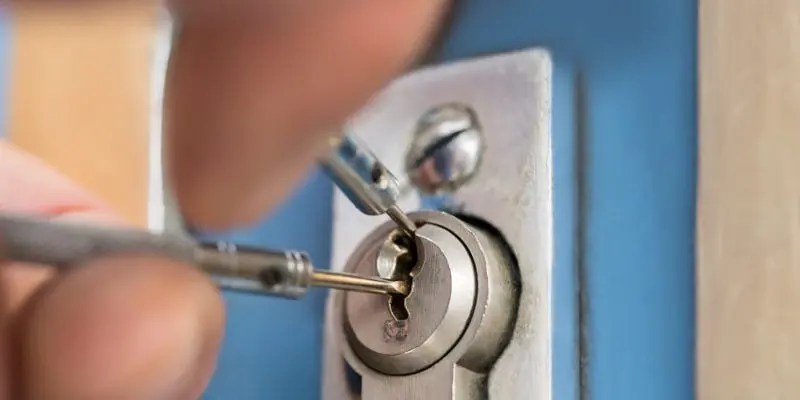
Hardware Grades in Plain Language
Door hardware in the United States is graded under ANSI/BHMA standards, with Grade 1 the most durable and Grade 3 the lightest. A higher grade is built and tested for heavier use. Many hardware-store locks sit at the lighter end, which is fine for an interior door but less suited to a busy front door.
We do not quote durability figures here, because published tables disagree and the exact standard should be checked before relying on a number. If a grade matters to you, ask the technician what the lock in your hand is rated for before you buy it.
New to a House or Apartment: Rekey First
Whenever you take over a home, you cannot know how many keys exist for its locks. Previous owners, tenants, cleaners and contractors may all have held one. Rekeying makes every old key useless and gives you a fresh set. It is the standard first step after moving in, and the technician can often do every exterior door in one visit.
Landlords and property managers rekey between tenants for the same reason. If you rent, ask your landlord first, because some leases require the landlord to hold a copy of every key. We explain the process on the rekey page.
Locks That Fail Before They Look Worn
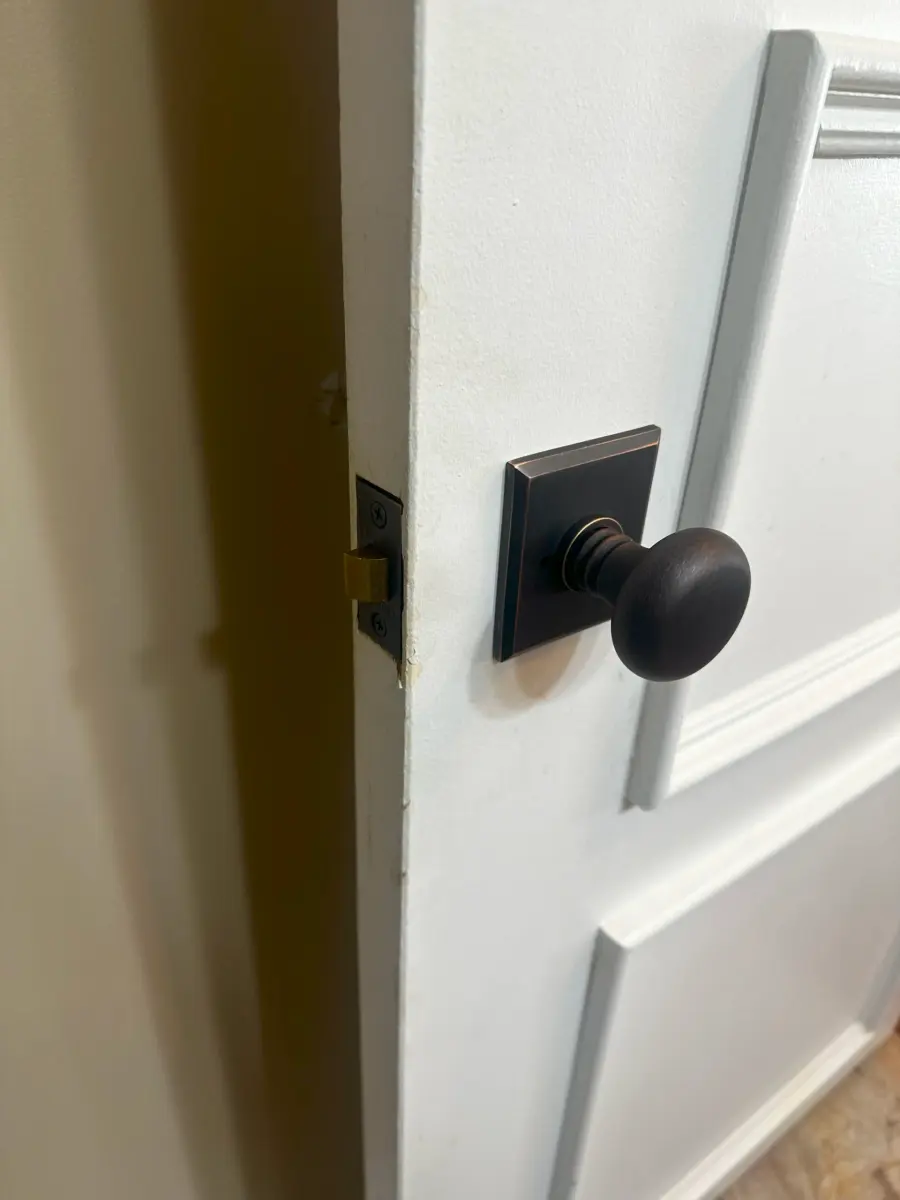
Residential lock repair starts with noticing the signs. Several of them say a lock needs work. The key sticks or has to be wiggled. The deadbolt does not slide fully into the frame. The knob wobbles or the latch does not spring back. The key is worn smooth or is getting harder to pull out.
Any of these can lead to a lockout or a failed lock at the worst time. Fixing a lock early is usually simple: a clean and lubricate, a re-alignment of the strike plate, or a replacement cylinder. Left alone, the same fault can lead to a snapped key and an emergency call, which is slower and more stressful for everyone involved.
Fixing a lock early is usually simple: a clean and lubricate, a re-alignment of the strike plate, or a replacement cylinder. Left alone, the same fault can lead to a snapped key and an emergency call, which is slower and more stressful for everyone involved.
Ask the technician to look at the whole door while they are there. A fault with a lock is sometimes a fault with the door: a frame that has moved, a strike plate that is out of line, or a hinge that has dropped. Fixing the cause avoids replacing a good lock for nothing, and it keeps the new hardware working smoothly.
Residential Locksmith Pittsburgh PA Service at Night
Home problems do not wait for office hours. We answer the phone at any hour, and a mobile technician can reach you at night for a lockout or an urgent security problem such as a damaged lock after a break-in. Our 24/7 emergency locksmith page explains how those calls are handled.
Our Registration, Insurance and Warranty
Contractor registration PA192675, $1,000,000 of insurance and a 12-month warranty on our work stand behind every home visit. Phone (412) 504-7574, or use the quote form on this page to ask for a callback, and tell us which of the seven services you think you need.
Frequently Asked Questions
Do you come to my home?
Yes. All our locksmith work is mobile. The technician comes to your address and does the work at the door, so there is nothing to carry to a shop.
Can you work on apartments and rentals?
Yes, with the right permission. If you rent, check your lease and ask your landlord before changing or rekeying locks, since the landlord may need to hold a key.
What should I do when I move into a new place?
Have the exterior locks rekeyed, so keys held by previous residents stop working. It is usually quicker and cheaper than replacing every lock.
How do I know which service to ask for?
Describe the situation on the phone: locked out, lost key, worn lock or a wish for keyless entry. We will say which service fits and what the visit involves.