Rekey vs Replace Locks: Which Does Your Door Need?
- Registered contractorPA192675
- Insured$1,000,000
- 12 months warrantyOn our work
- 24/7Mobile service
- 5.0 on Google25 reviews
Rekey vs replace locks is a choice between changing what the lock accepts and changing the lock itself. A rekey keeps the hardware you have and makes old keys useless. A replacement fits new hardware, which suits a lock that is worn, damaged or too weak for the door. Four questions decide which one fits, and this page goes through them one at a time.
The short version is that a healthy lock with a key problem needs a lock rekey, while a lock with a hardware problem needs a lock change. The details below show how to tell the two apart.
What Does a Rekey Actually Change?
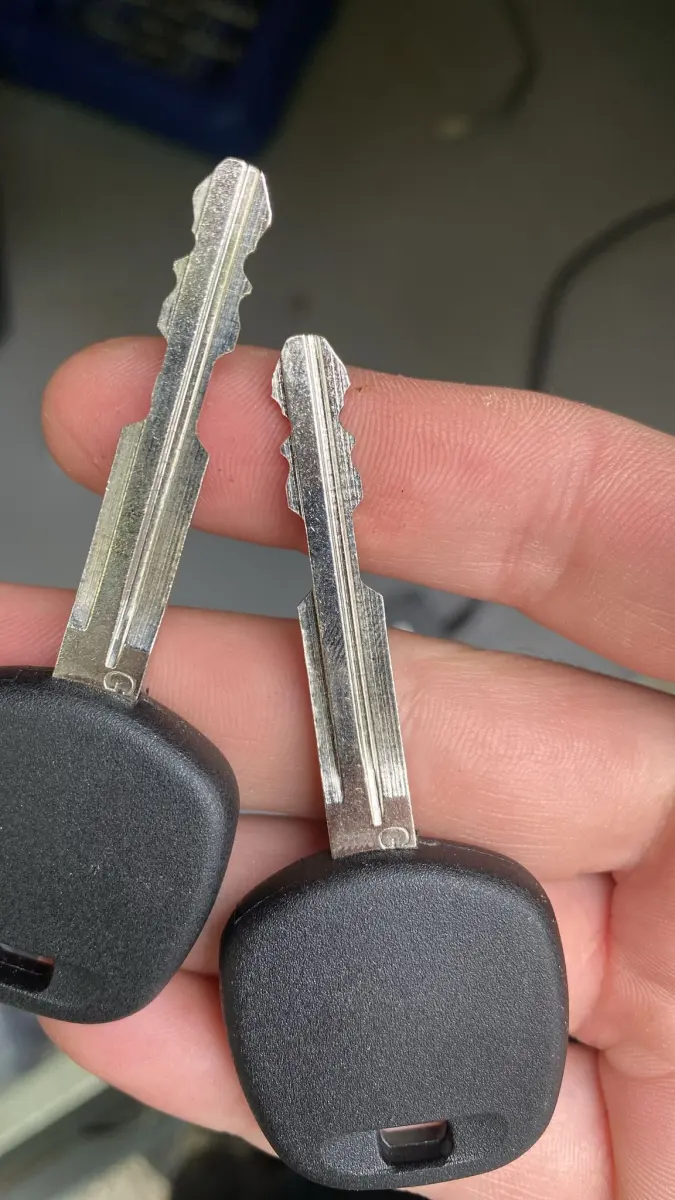
A pin tumbler lock holds spring-loaded pins at different heights, and only the right key lifts each pin to the shear line so the cylinder turns. A rekey swaps the pins so a new key fits and the old key no longer does. The deadbolt, the knob and the door stay where they are.
That makes a rekey the right fix when the problem is who holds keys: a house you just bought, a tenant who moved out, a ring of keys lost or a key copied that you cannot account for. The lock works as before, and only the set of people who can open it changes.
What Does a Replacement Change?
A replacement takes out the lock body or deadbolt and fits a new one. It changes the hardware, the keyway and the key, and it is the only fix when the lock itself has failed: a bolt that sticks, a latch that does not catch, a cylinder that turns loosely, or a lock damaged in an attempted break-in.
Replacement is also how a door gets a better lock. If the old one is a light-duty model on an exterior door, a new deadbolt in a higher grade is worth having. That upgrade, a smart lock installation, or a matched set of locks across the whole house, are all replacement jobs and not rekeys.
Four Questions That Decide It
Answer these four honestly and the choice usually makes itself. If three or four answers point the same way, that is your job. If they split, a technician can look at the door and say which side the evidence favors.
- Does the lock work smoothly? If yes, a rekey is possible; if it sticks or wobbles, replace it.
- Is the lock in good condition and suited to the door? A sound deadbolt rekeys well; a worn or light-duty one is better replaced.
- Is the problem who has keys, not the lock itself? Lost, copied or unreturned keys point to a rekey.
- Do you want a different kind of lock, such as keypad or smart entry? That is a replacement.
Lock Grades and Why They Matter
Door hardware is tested to ANSI/BHMA standards and sold in grades. For bored locks, the standard ANSI/BHMA A156.2 sets 1,000,000 test cycles for Grade 1, 400,000 for Grade 2 and 200,000 for Grade 3. A lock built to a higher grade is tested to open and close many more times before it is expected to fail.
That number is a reason not to throw away a sound Grade 1 or Grade 2 lock for a key problem alone. It is also a reason to replace a worn Grade 3 deadbolt on a busy front door. Hardware is rated by a number you can look up, and a locksmith can tell you which grade you have.
Common Situations, Matched to the Fix
A new home is the classic rekey: the previous owner may have given keys to neighbors, contractors and family, and you cannot know who. A rekey after buying makes yours the only working set at once. The same is true after a tenant leaves, with the added benefit that it is quick and the door stays in place.
A broken key in the cylinder, or a bolt that no longer slides smoothly, points to a replacement. So does a door that has been kicked or pried, because the bolt and strike plate may have been bent. After a break-in, check the frame as well as the lock, since a new lock on a split frame is only as strong as the frame.
Can I Rekey and Replace on the Same Visit?
Yes, and it is common. A house may have a worn front deadbolt that needs replacing and a back door lock that is in good condition and only needs a rekey. A locksmith can fit the new deadbolt and then key it alike to the other doors, so one key opens every lock on the house.
That key-alike result is worth asking for. It means fewer keys on your ring, and it means a house lockout is easier to prevent, because the key that is always in your pocket works on every door.
Rekey vs Replace Locks in Rentals and Small Buildings
Landlords face the same choice with a different rhythm. Between tenants, a rekey is the quick way to be sure the last tenant's keys are dead. Rekey vs replace locks becomes a question of condition: if a unit's deadbolt has been worn by years of use, replace it at turnover and key the new lock to the unit.
In a small building, ask for keys to be cut so that each tenant's key opens the unit and the shared entrance, while a landlord's key opens everything. That arrangement is a master key system, which is a commercial service and a different job from a simple rekey, but it starts from the same question about the locks you already have. Businesses can read when to rekey business locks for the signs.
What to Ask Before the Work Starts
Whichever way you go, ask what exactly is being changed, whether old keys will stop working and how many new keys you will get. For a replacement, ask which grade of lock is being fitted, and ask what the work is warranted for. A clear answer to each takes under a minute. Test every new key in every lock before the technician leaves.
If you have just lost keys and are deciding between the two jobs, our guide to lost house keys covers the first hour. For residential work in general, see our residential locksmith page. Both pages explain the work in more detail than this guide can.
Frequently Asked Questions
Is rekeying cheaper than replacing a lock?
A rekey reuses your existing hardware, so it needs fewer parts than a new lock. The actual cost depends on how many locks are involved and which hardware is on the door, so ask for a quote that lists the work before it starts.
Will my old keys still work after a rekey?
No. A rekey changes the pins inside the cylinder to match a new key, and the old key no longer lifts the pins to the shear line. That is the point of the job, and it is why a rekey is the usual answer to lost or unreturned keys.
Can every lock be rekeyed?
Most standard pin tumbler locks can, provided the cylinder is in good condition. A lock that is worn, damaged or built so that it cannot be taken apart for rekeying is better replaced, and a technician can tell which you have by looking at it.