- Registered contractorPA192675
- Insured$1,000,000
- 12 months warrantyOn our work
- 24/7Mobile service
- 5.0 on Google25 reviews
A commercial locksmith Pittsburgh PA businesses can call looks after the locks on offices, shops, workshops and rental units, on site and without closing the business for long. This page covers five services: a commercial lockout, rekeying business locks, work on push bars and exit devices, master key systems, and repairs to worn hardware. One number reaches all of them.
What Does a Commercial Locksmith Do?
A commercial locksmith opens locked business doors, changes which keys fit commercial locks, services exit hardware, and plans key systems for buildings with many doors. The work is done at your premises, and it is organized around keeping a business open, safe and able to control who holds a key.
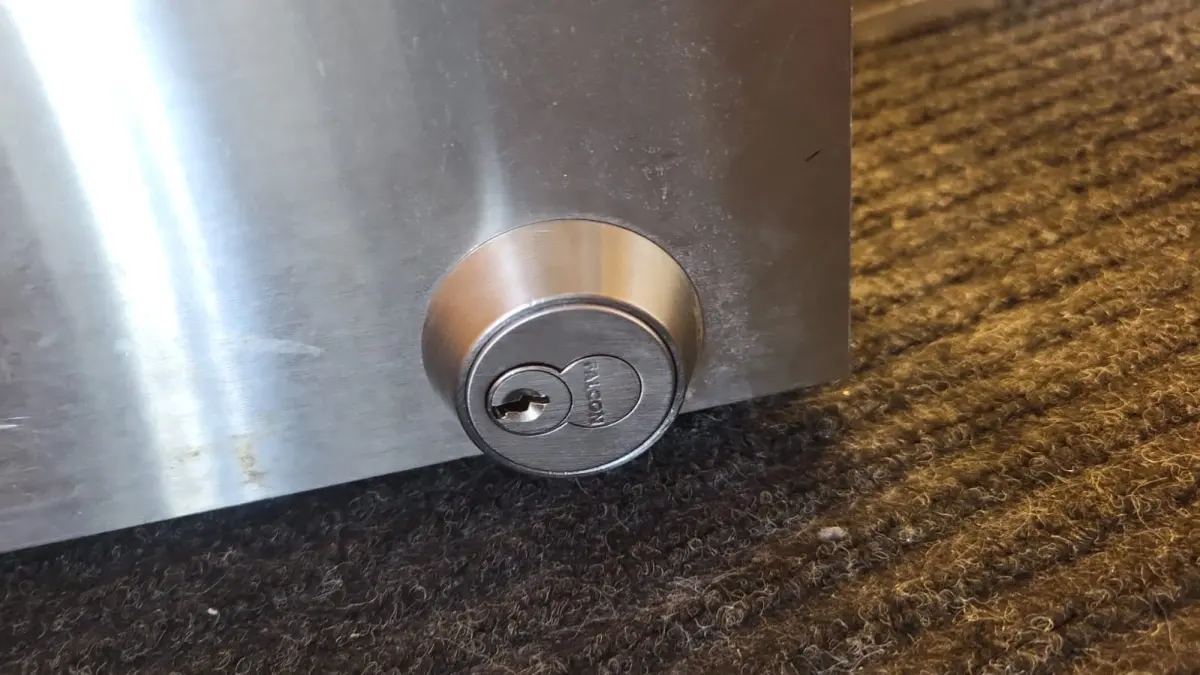
How Business Locks Differ from Home Locks
Commercial doors face heavier use, stricter rules and more keyholders. A shop door may be opened hundreds of times a week by many people, and the hardware has to withstand that. Commercial doors also use different lock types: heavy-duty cylindrical levers, mortise locks set into the door edge, and exit devices that open with a push.
Because many people hold keys, key control matters as much as the lock. A business needs to know who has a key, to retrieve it when someone leaves, and to cut off an old key without replacing every lock. Those needs shape the five services described here.
Five Services for Business Doors
Choose the service by the problem. If you or a member of staff cannot get in, call for a lockout. If keys are lost or staff have left, call for rekeying. If an exit bar sticks, call for exit device work. If you manage many doors or tenants, ask about a key system. If hardware is worn or broken, ask for a repair.
Each has its own page with the full detail. Rekeying is covered under commercial lock rekey, push bars under exit device rekey, key planning under master key systems, and worn levers, latches and push bars under door hardware repair.
- Commercial lockout: entry to an office, shop or unit when keys are lost, locked inside or not working.
- Commercial lock rekey: new keys for existing locks, so lost keys and former staff cannot get in.
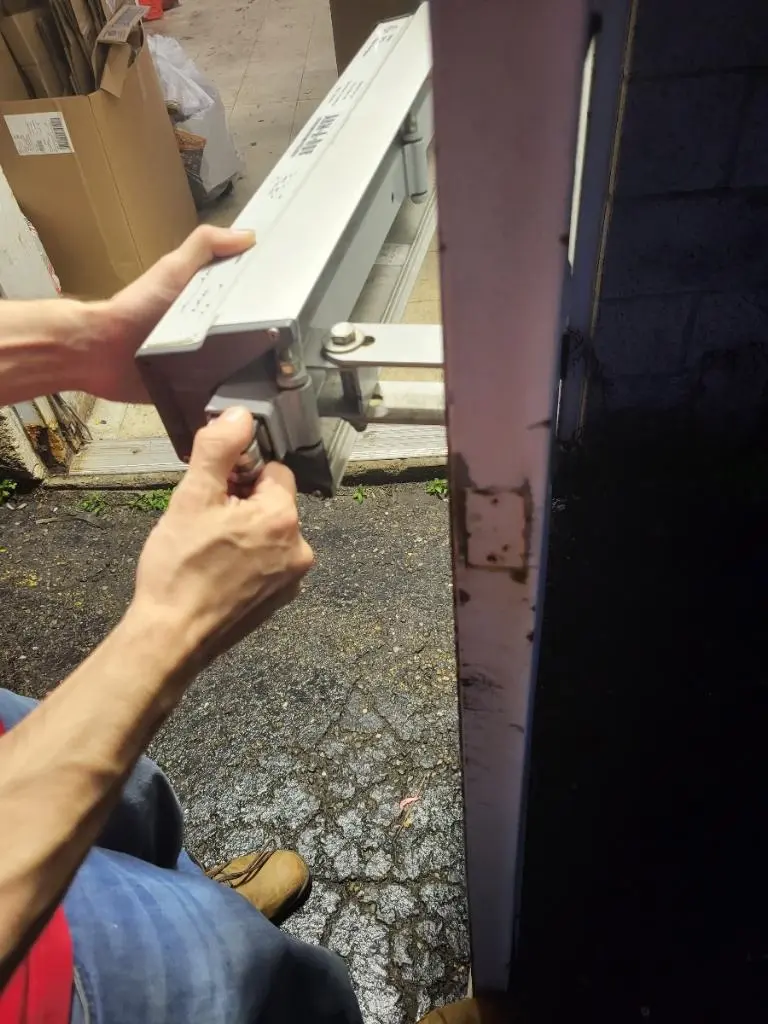
- Push bar and exit device rekey: work on panic and exit hardware, kept in working order.
- Master key systems: a planned structure so each person's key opens only the doors they need.
- Commercial door hardware repair: drooping levers, failed latches, binding cylinders and sticking push bars fixed on site.
Keys, Codes and Cards on Commercial Doors
Not every business door uses a metal key. Some use a keypad code, some a card or fob, and some a combination of these with a key as backup. Each has a different risk. A shared code is hard to take back from a former employee, a lost card must be canceled, and a metal key must be physically recovered.
If your premises use an access-control system with cards or fobs, tell us what is fitted when you call. The technician can then say honestly whether the job is mechanical, electronic or both, and what can be done at the visit, before anyone travels to the site.
Business Locksmith Needs by Type of Premises
A business locksmith deals with very different buildings. An office may need one key per tenant with a master for the manager. A shop needs its front door secure at night and quick to open by day. A workshop or warehouse may have side doors that staff use constantly and a loading door that is rarely opened.
Rental units and property managers have a further need: to take back control of a unit between tenants without replacing hardware every time. A technician will ask about the building and the way it is used before suggesting a solution, because the right answer differs from one site to the next.
This is also what office lock service looks like in practice: a technician who knows the building, keeps a record of its doors, and can come back to the same site and carry on from where the last visit finished, without starting again each time.
Commercial Locksmith Pittsburgh PA Service by Phone
Our phone, (412) 504-7574, is answered at any hour, because a business can be locked out or compromised outside office times. After a break-in, a damaged lock or a lost key, a quick call lets the technician plan the visit and bring the right parts. Our 24/7 emergency locksmith page explains how after-hours calls work.
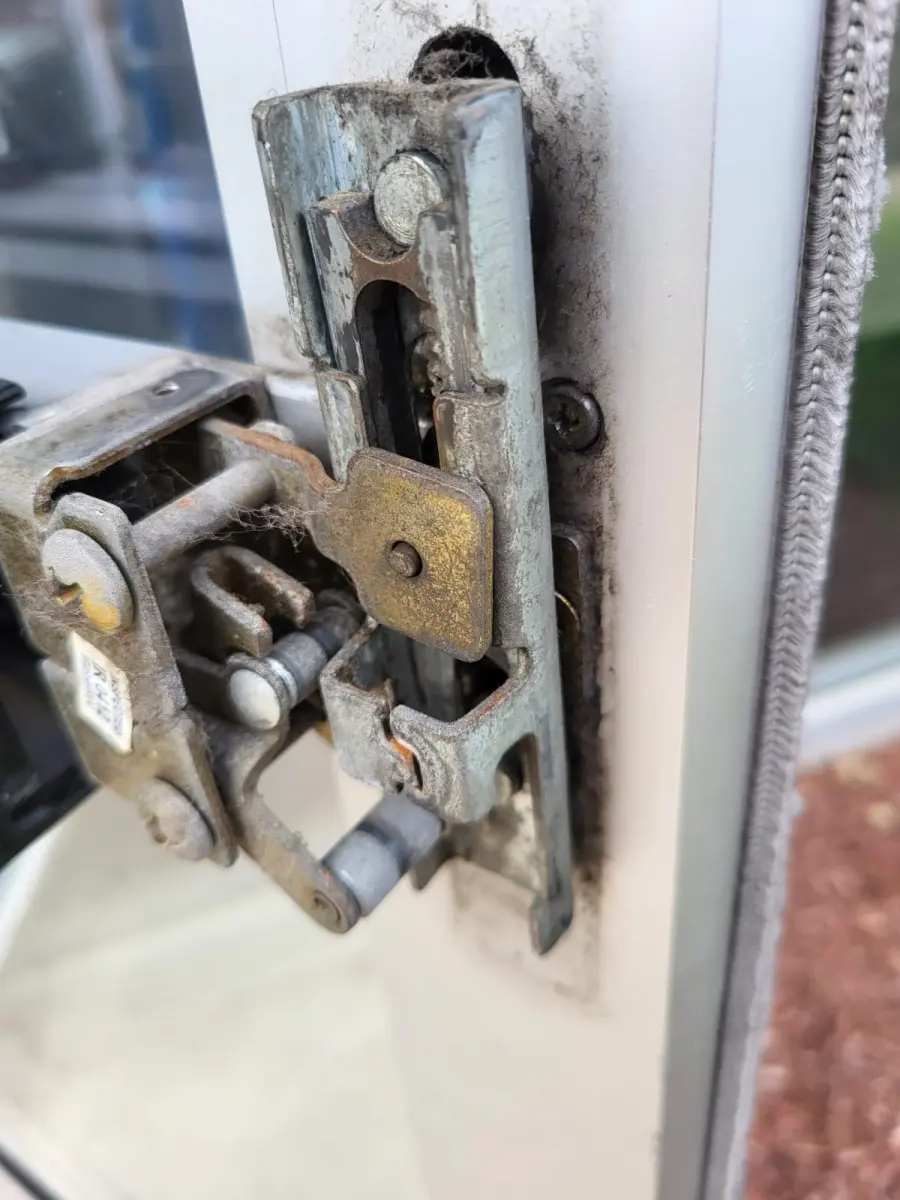
Exit Doors and the Building Code
Building codes control how doors on an exit route may be locked. Chapter 10 of the 2021 International Building Code sets out the rules, including limits on what may secure doors in certain high-occupancy rooms. The detail is explained on our push bar page, and the principle is simple: nobody inside should ever be held in by a lock.
Which edition of the code applies to a particular Pennsylvania building depends on the local code in force, and the code official has the final say. We cite the 2021 text as a reference and do not claim it is the rule for your building. Ask your local code office before changing exit hardware.
Commercial Door Locks and Hardware Grades
Commercial door locks are normally built to a higher grade than household ones, because they are used more and must hold up longer. The ANSI/BHMA system grades hardware from Grade 1, the most durable, to Grade 3. A shop front or a busy office door usually calls for the higher end of that range.
A technician can tell you the grade of the hardware on your door and advise whether it suits the traffic. We do not quote durability figures here, because tables from different sources disagree, and the current standard is the place to check a number for any given product.
Good commercial security locks work as a system: the lock, the door, the frame and the key control all matter. A strong lock on a weak frame, or a good key system with careless handling of keys, leaves a gap. The most useful visit looks at the door as a whole, and the habits around it, as well as at the lock itself.
Planning Ahead: Audits and Key Records
A locksmith can walk the premises with you and list every door, its lock, and who holds a key. That record is useful whenever staff change, a tenant leaves or an insurer asks about security. It also shows which doors have worn or mismatched hardware that will fail first, so you can plan repairs.
Even without a full audit, keep a simple key register. Note each key, its number, who holds it and the date it was issued. Retrieve keys when people leave, and rekey the locks if any key is unaccounted for. That discipline costs little and prevents most business key problems.
Our Registration, Insurance and Warranty
A business should be able to check its locksmith. Ours holds contractor registration PA192675 and is insured for $1,000,000, and our work is warranted for 12 months. For a commercial locksmith Pittsburgh PA owners can verify, ask for those details first, then send a request when you are ready.
Frequently Asked Questions
Do you work outside normal business hours?
Yes. The line is staffed every hour of the day, and a technician can be dispatched to your premises overnight or at the weekend when the need is urgent.
Can you work on a building I rent?
Yes, with the owner's permission. Landlords and managers often arrange this. If you are a tenant, check your lease and tell the landlord before changing any lock.
Do you handle one door or whole buildings?
Both. A single lockout or rekey is handled in one visit. For larger sites, a technician can list every door and plan the work in stages.
Is exit hardware covered?
Yes. Push bars and exit devices are covered under their own service, with rekeying and key changes. Repairs to the hardware itself are assessed on site.
Source: 2021 IBC chapter 10 (ICC)