Key Duplication Pittsburgh PA
- Registered contractorPA192675
- Insured$1,000,000
- 12 months warrantyOn our work
- 24/7Mobile service
- 5.0 on Google25 reviews
Key duplication Pittsburgh PA households and businesses ask for is done at your own door. A mobile technician from our residential locksmith team cuts spares from the key you hold, brushes off the sharp edges, and tries each copy in its lock before leaving. House, apartment, garage and office keys can all be handled on one visit.
Why Have Keys Copied by a Locksmith?
A locksmith checks that each copy turns in the lock, not only that it looks like the original. Every spare is tried in its door before the technician leaves. When the original is worn, the copy can be cut to the lock's proper depths, so it turns more smoothly than the key it came from.
How a Key Is Copied
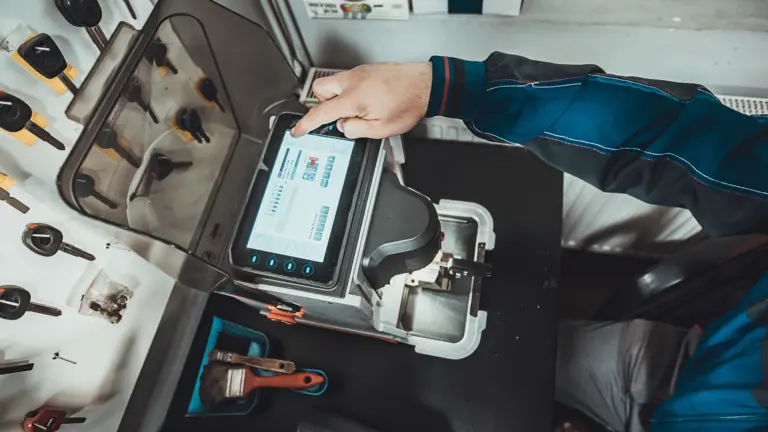
Most keys are copied on a tracing machine. The original sits in one clamp and a blank in another, and as a guide follows the cuts of the original, a cutter shapes the blank to match. The new key is then brushed to remove burrs, which would otherwise be sharp on the fingers and scratch the pins inside the lock.
A second method cuts by code. The depth of each cut is measured and set on the machine one position at a time, so the copy follows the lock's intended pattern rather than the wear on an old key. It takes longer, but it gives a cleaner result when the original has been carried for years.
Spare House Key: Who Should Hold One
A spare house key belongs with someone you trust who lives nearby, not under a doormat or a flowerpot, where anyone looking for it will find it. Count the keys you hand out and note who holds each one. If you lose track, a lock rekey makes every old key useless and gives you a fresh set to share.
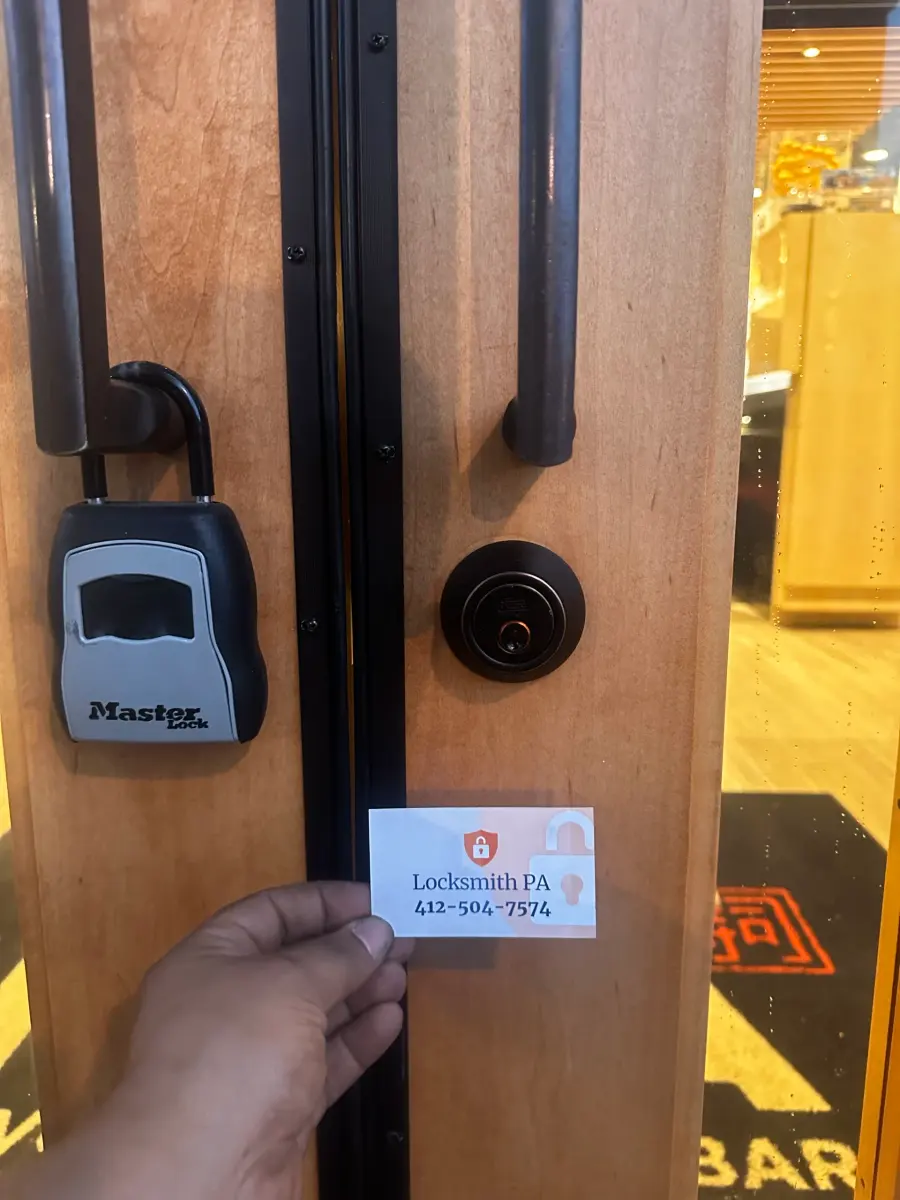
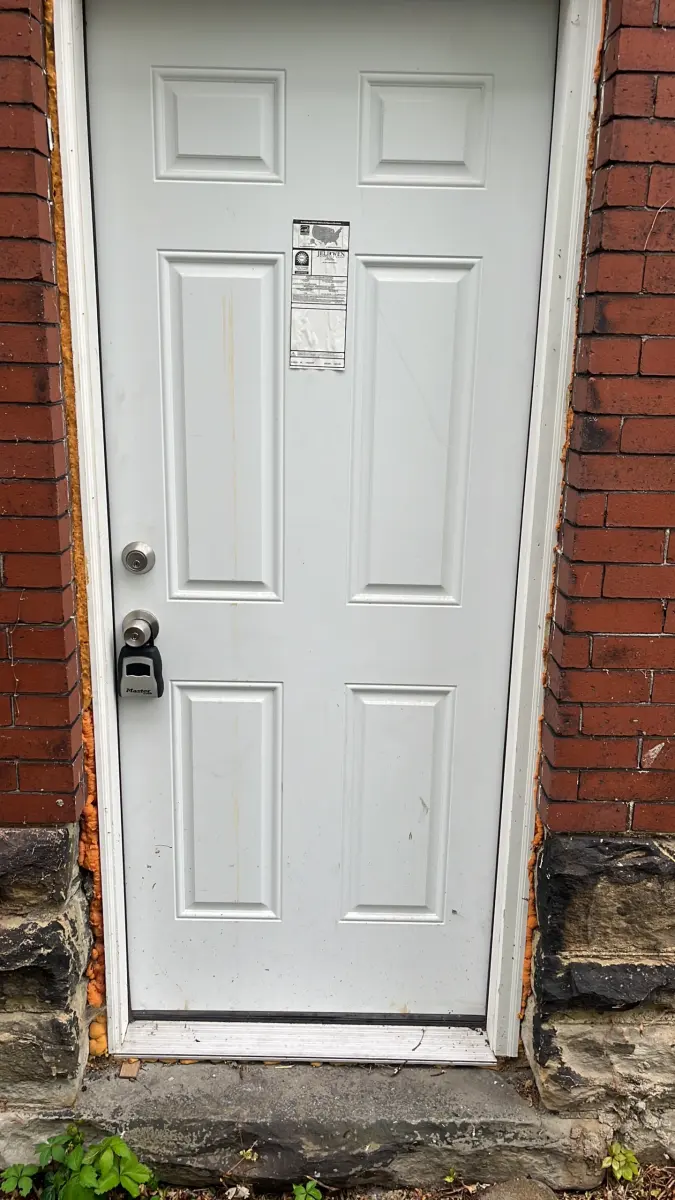
A coded lockbox is another option for carers, dog walkers and cleaners. The code can be changed when the arrangement ends, which is easier than chasing a key. Pick a box that fixes firmly to a wall or post rather than one that hangs from the door handle, where it advertises the door it opens.
House Key Copy or Rekey?
A house key copy adds more keys of the same pattern. It suits a growing household, a teenager who now needs a key, or an original that is wearing thin. It does nothing about a key you have lost, because that key still fits the lock. For a lost or stolen key, rekey first and copy afterwards.
Copy Apartment Keys and Office Keys
Tenants who want to copy apartment keys should check the lease first. Many leases forbid copies without the landlord's consent, or require the landlord to hold one of every key. Entrance keys for shared buildings are often on restricted systems, where only the property manager can order more, so ask the manager before calling us.
Offices and shops often need several copies of the same key for staff. Once different people need different doors, a drawer of identical copies becomes hard to manage. A master key system gives each person a key for only their doors, with one key that opens them all, and keeps a clear record of who holds what.
Do Not Duplicate Keys and Restricted Keys
Some keys are stamped Do Not Duplicate. In the United States that stamp asks for key control but carries no legal weight on its own. If a key like this belongs to an employer or a landlord, get their permission before asking for copies; the building is theirs, and so is the decision about how many keys exist.
Restricted keys are a different matter. They use a patented or registered keyway, and blanks are supplied only through authorized dealers, who cut copies against a signed card or an owner list. A general key machine cannot reproduce one. Describe or photograph your key when you call, and the call-taker can say whether it is restricted.
Keys We Can and Cannot Copy
Ordinary house and office keys, with a flat blade and cuts along one edge, are the everyday work. Keys cut on both edges, keys with dimples on the face and keys with a side bar need matching blanks and sometimes a different machine. If a blank for your key is not carried, the person on the phone will say so before anyone travels.
Very old keys, such as the long bit keys that work some mortise locks in older houses, are a special case. Where no blank can be found, a new key can sometimes be made by fitting it to the lock itself, which takes longer than a straight copy and is quoted separately.
Looking After Your Keys
Keys wear, and so do the copies made from them. Rotate a spare into use now and then instead of letting one key take all the wear, and replace any key that has started to bend, crack or lose its shape. A key that snaps inside a lock is a far bigger job than a copy made in good time.
Key Duplication Pittsburgh PA Visits
Tell us how many keys you need and what each one opens, and have the originals ready. The technician cuts every copy, tries it in its lock in both directions, and hands it over only when it turns cleanly. A key that drags in the lock can point to a worn cylinder, and the technician will mention it.
A visit can also combine jobs. If a lock is being changed or rekeyed anyway, the extra keys are cut from the new pattern at the same time, so every spare starts fresh instead of copying the wear of an old key. Ask for the number of copies you need before the technician starts cutting.
No Key Left to Copy
Copying needs a key to copy from. If the only key is locked inside, call for a house lockout first. Once you are back in, the same technician can cut a spare so the same thing does not happen next month. Mention both jobs on the phone, so the right blanks come with the technician.
Order Spare Keys
Phone (412) 504-7574 at any hour or send a request with the number of keys and the locks they open. Key duplication Pittsburgh PA customers book with us is covered by our 12-month warranty: if a copy will not work properly in its lock, call us and we will put it right.
Frequently Asked Questions
Can you copy a key without the original?
Not by copying. Without any working key, a new key is made from the lock itself, which is a lockout or rekey job rather than duplication. Copying needs the original in hand.
Why does a copied key stick in the lock?
Usually because it was traced from a worn original, or the burrs were left on. A copy cut to the lock’s proper depths and brushed smooth should turn as easily as a new key.
Do copied keys wear a lock out faster?
A well-cut copy wears the lock no faster than the original. A rough copy with sharp edges can, which is one reason each spare is deburred and tried in its lock before we leave.
Source: Key duplication (Wikipedia)