Lock Repair Pittsburgh PA: Door Locks and Deadbolts
- Registered contractorPA192675
- Insured$1,000,000
- 12 months warrantyOn our work
- 24/7Mobile service
- 5.0 on Google25 reviews
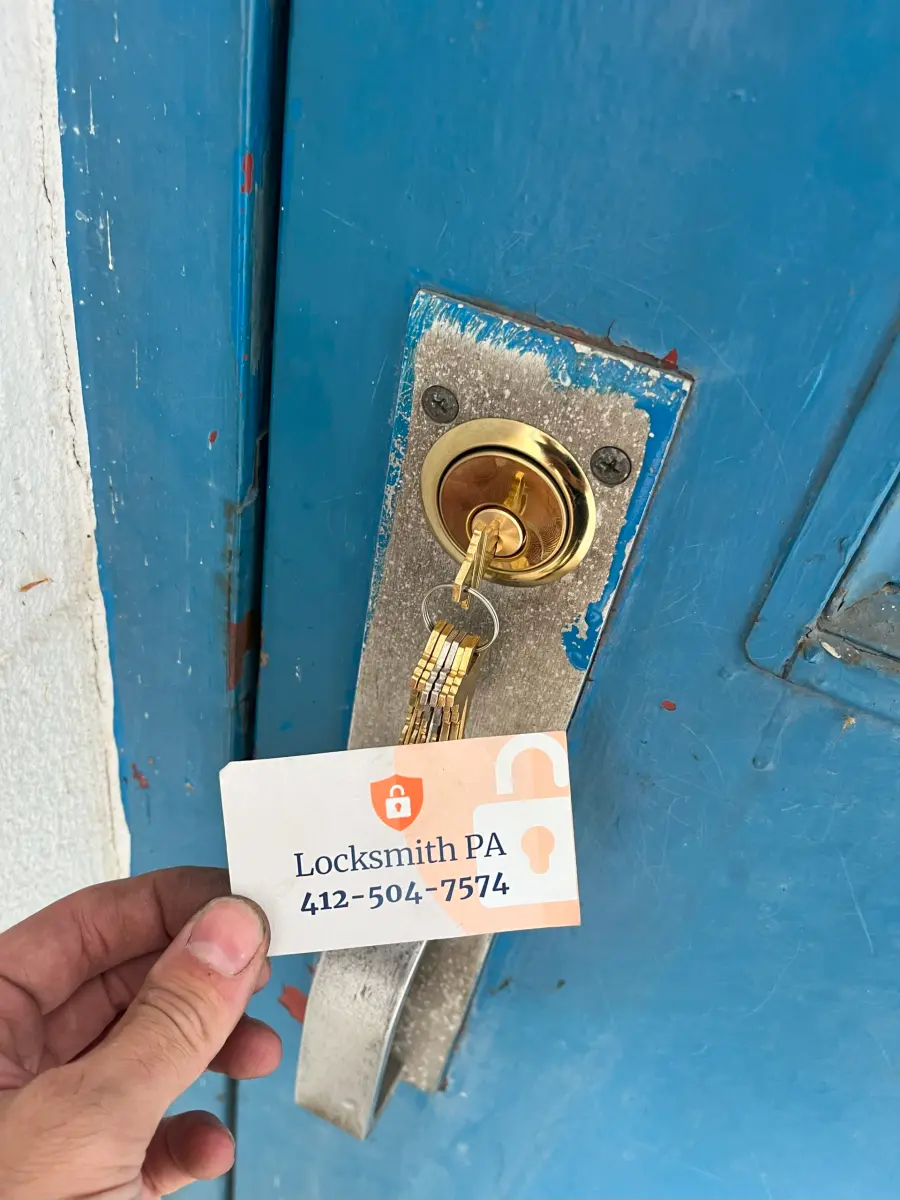
Lock repair Pittsburgh PA homeowners call about is usually a lock that still works, only badly: a key that sticks, a deadbolt that will not throw, a knob that wobbles. A mobile technician from our residential locksmith team finds the cause at the door and fixes it, so the lock keeps working without being thrown away.
Should You Repair or Replace a Lock?
Repair when the lock body is sound and the fault lies in a part that can be adjusted or swapped: a misaligned strike, a dry cylinder, a loose screw or a tired spring. Replace when the housing is cracked, parts are no longer made, or the lock was always too light for the door.
Signs a Lock Needs Work
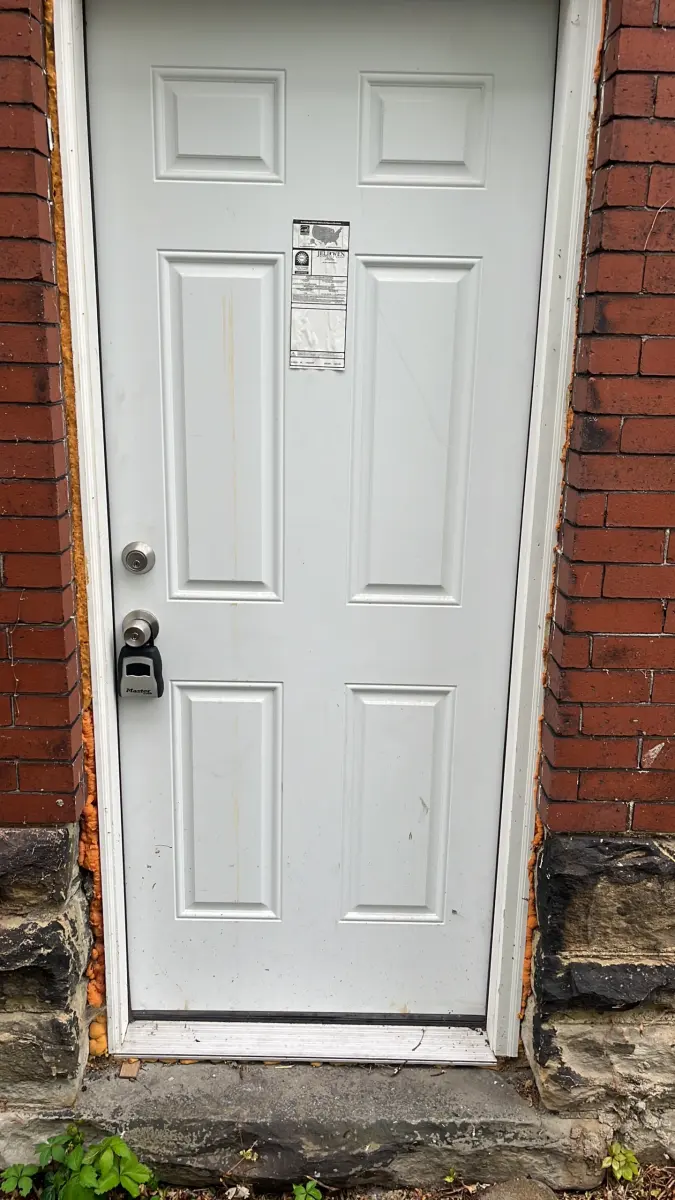
Most locks give warning before they fail. Catching the signs early turns a possible lockout into a short visit, usually in daylight and at a time that suits you. These are the faults we see most often on front, back and side doors, and each one gets worse with use.
- The key goes in but has to be jiggled before it turns.
- The deadbolt drags or stops short of its full throw.
- The latch does not catch, so the door drifts open.
- A knob or lever wobbles on its mounting plate.
- The key is hard to pull back out of the cylinder.
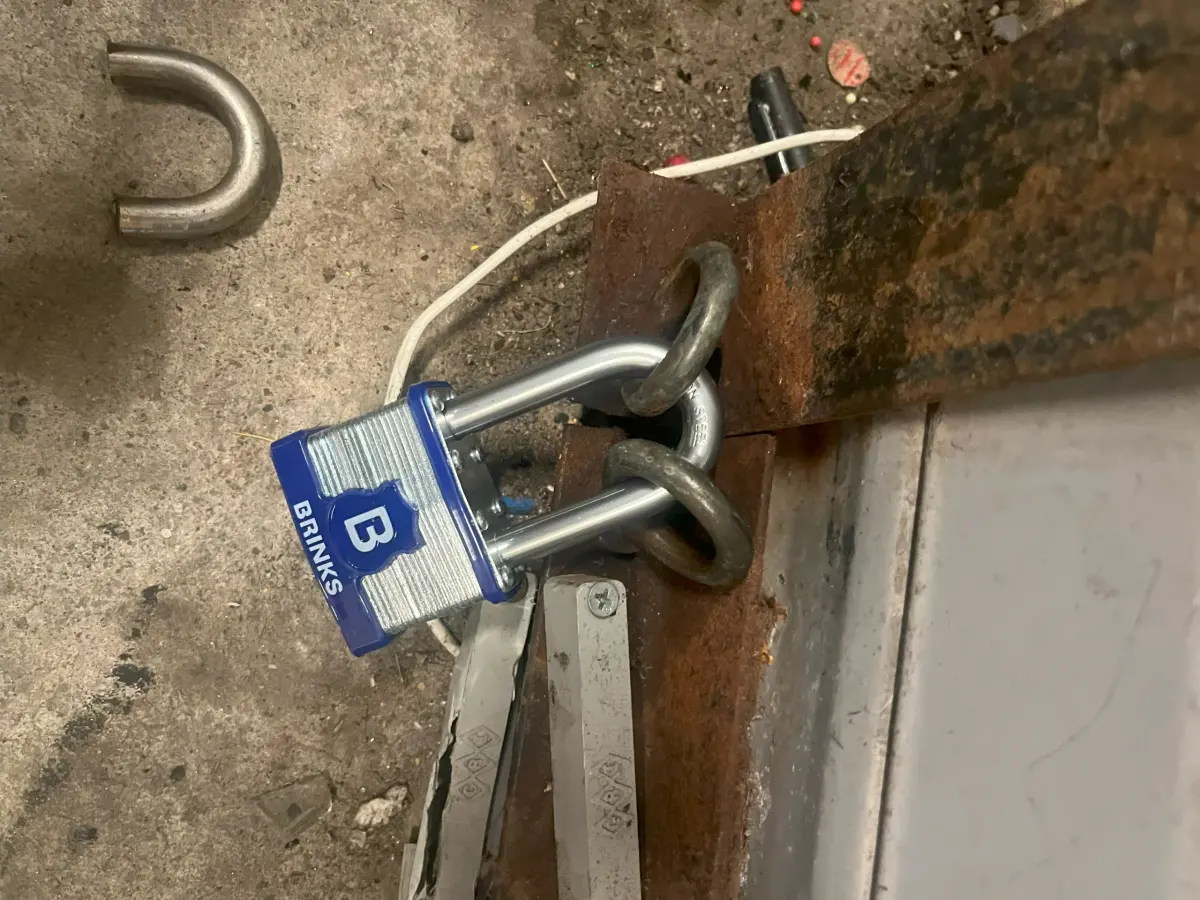
Deadbolt Repair Is Often a Door Problem
Most deadbolt repair calls are not really about the deadbolt. The bolt works, but the door has moved, so it meets the edge of the strike instead of sliding into the hole. Seasonal swelling, settling frames and dropped hinges all do this. The cure is to realign the strike or adjust the door, not to buy a new lock.
You can test it yourself. Lock the deadbolt with the door open and watch it extend. If it travels fully but drags when the door is shut, the problem is alignment. If it will not extend even with the door open, the fault is inside the lock, and the technician will need to take it apart.
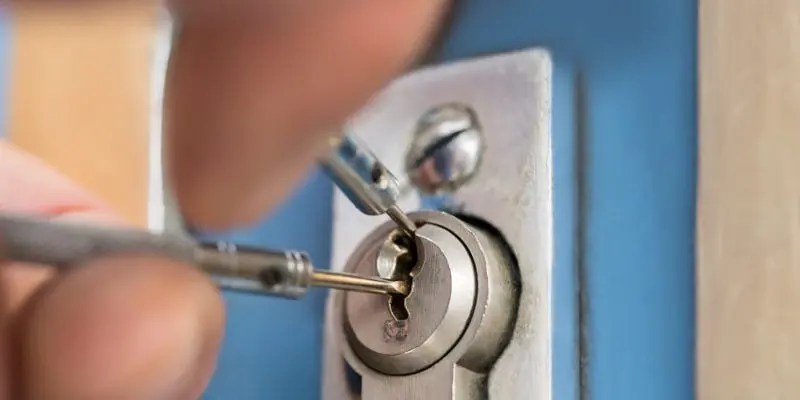
Fixing a Sticking Lock
A sticking lock is often dirt, old grease or plain wear in the pins. The technician removes the cylinder, cleans it, and treats it with a dry lubricant made for locks. Household oils attract grit and make the problem worse over the following months, so keep them away from the keyhole, however tempting the can in the garage.
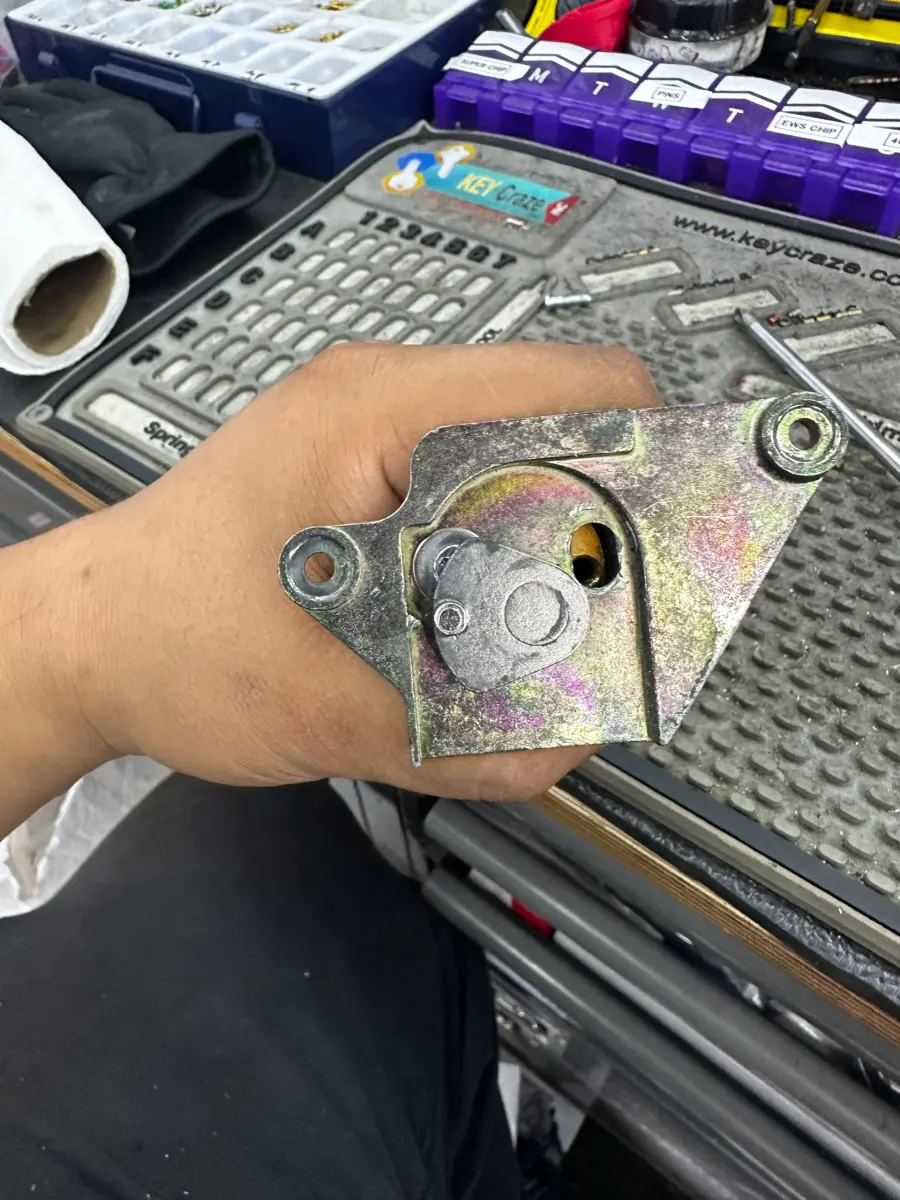
If cleaning does not cure it, the pins or springs inside may be worn. They can be replaced while the cylinder is out, and at the same time the lock can be given new keys if you would like them. A cylinder that is cracked or badly worn is replaced instead, which is a quick swap on most doors.
Door Latch Repair and Loose Knobs
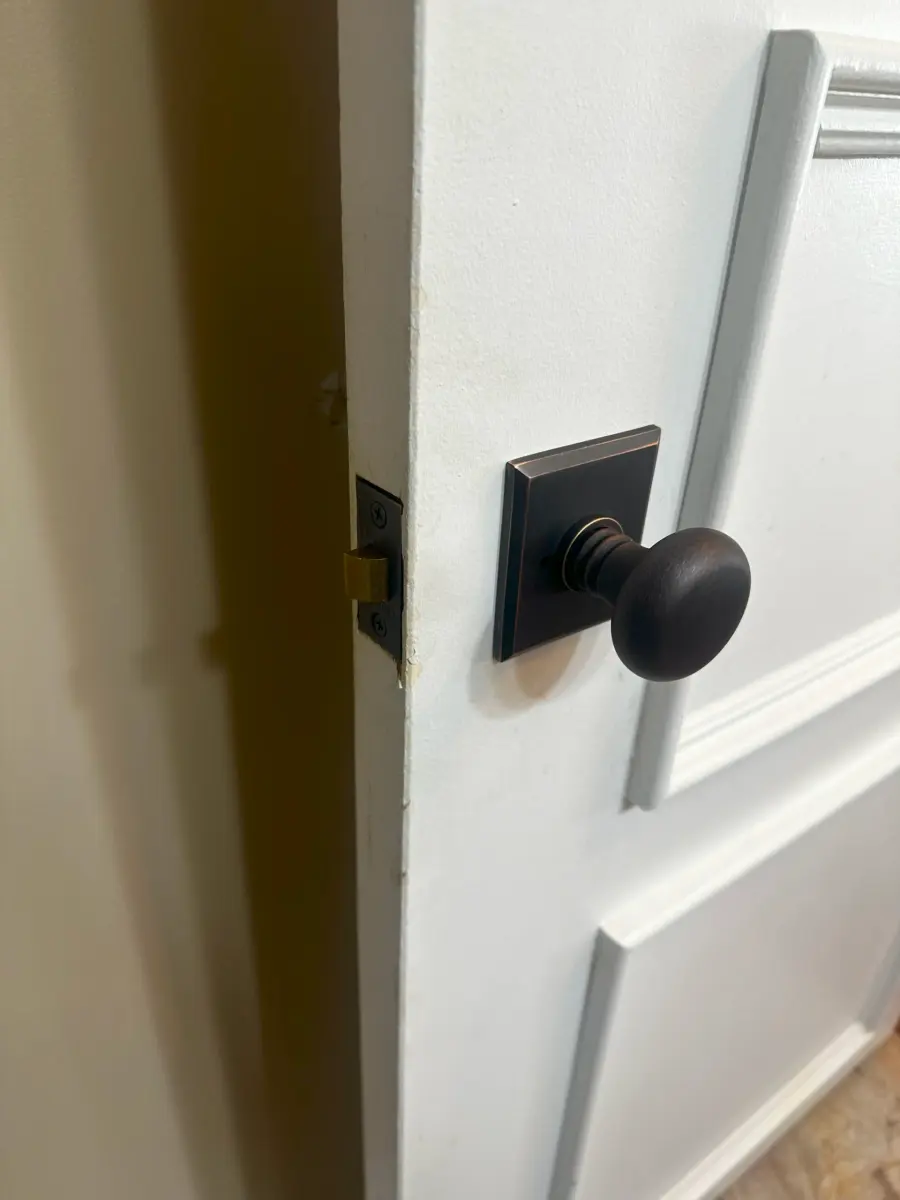
Door latch repair covers the spring latch that holds the door shut when it is not locked. A latch that will not spring back, or does not catch the strike, leaves the door open to a simple push. The usual causes are a broken spring, a latch out of line with the strike, or a strike plate pulled loose from the frame.
To fix a loose door knob, the technician tightens or replaces the mounting screws and checks the spindle that links the two halves. A knob left loose for months can wear the parts that hold it, so it may need new screws, a new mounting plate, or a replacement set if the inner parts are damaged.
Seasons, Swelling and Rust
Doors move with the seasons. Wood swells in humid summer months and shrinks in dry winter heat, and the gap between the bolt and the strike changes with it. A deadbolt that works in January and drags in July is a common call, and a small adjustment to the strike usually settles it for the whole year.
Exterior doors that take rain can also rust inside. Steel springs and screws corrode, and a latch that once snapped shut starts to hesitate. Cleaning, lubricating and replacing the rusted parts brings it back. A lock that has rusted through is replaced, and a weather shield over the door can help the next one last longer.
What to Check Before Calling
Before you call, try the key with the door open. Look at whether the strike plate screws are tight and whether the door rubs anywhere around the frame. Note whether the trouble started suddenly or crept in slowly. These details help the technician bring the right parts, and they often shorten the visit noticeably.
Lock Repair Pittsburgh PA Visits, Step by Step
Describe the fault when you call: which door, what the key or knob does, and since when. The technician tries the lock with the door open and shut, removes it if needed, and fixes what is worn or out of line. Before leaving, they lock and unlock it several times with you, from both sides.
Hardware Grades and Older Doors
Locks are graded under ANSI/BHMA standards. For bored locks, Allegion's summary gives test figures of 1,000,000 cycles for Grade 1, 400,000 for Grade 2 and 200,000 for Grade 3. A light lock on a busy door wears out sooner, and repairing it again and again can cost more than fitting a stronger one.
Older houses often have mortise locks set into the edge of the door. Many can be repaired with new springs or a new cylinder. When a part cannot be found, our lock change service fits a modern lock, and where a door must stand up to force, read about security door locks first.
After a Break-In
A forced door often leaves a lock that turns but no longer holds: a bent bolt, a split frame or a strike torn from the wood. That is urgent, because the door cannot be secured. Our emergency locksmith line answers at night as well, and a technician can make the door lock again before you go to sleep.
Book a Lock Repair
Call (412) 504-7574 at any hour or send a request describing the door and the fault. Every lock repair Pittsburgh PA customers book with us carries our 12-month warranty, and the technician says before starting whether the lock is worth repairing or would be better replaced, so the choice stays yours.
Frequently Asked Questions
Is it worth repairing an old lock?
Often, yes. A sound lock with a worn spring or a dry cylinder can work like new after a repair. If the housing is cracked or parts are no longer available, a replacement makes more sense.
Should I spray oil into a sticking lock?
Avoid household oil. It collects dust and grit inside the cylinder and makes sticking worse. A dry lubricant made for locks is better, and if that does not help, the pins may need attention.
Can you repair a lock in a rented home?
Yes, with the agreement of whoever owns the property. Tenants should check the lease first, since many leases make lock repairs the landlord’s responsibility.
Why does my deadbolt stick only when the door is shut?
The bolt is hitting the strike plate because the door or the frame has moved. Realigning the strike, or adjusting the door on its hinges, usually cures it without touching the lock.