Exit Device Rekey Pittsburgh PA
- Registered contractorPA192675
- Insured$1,000,000
- 12 months warrantyOn our work
- 24/7Mobile service
- 5.0 on Google25 reviews
Exit device rekey Pittsburgh PA businesses need when a key is lost or staff change means changing the outside cylinder on a push bar door, so the old key no longer unlocks it from outside. A mobile technician from our commercial locksmith team does it on site and checks that free exit still works from inside.
What Is an Exit Device, and What Does a Key Do?
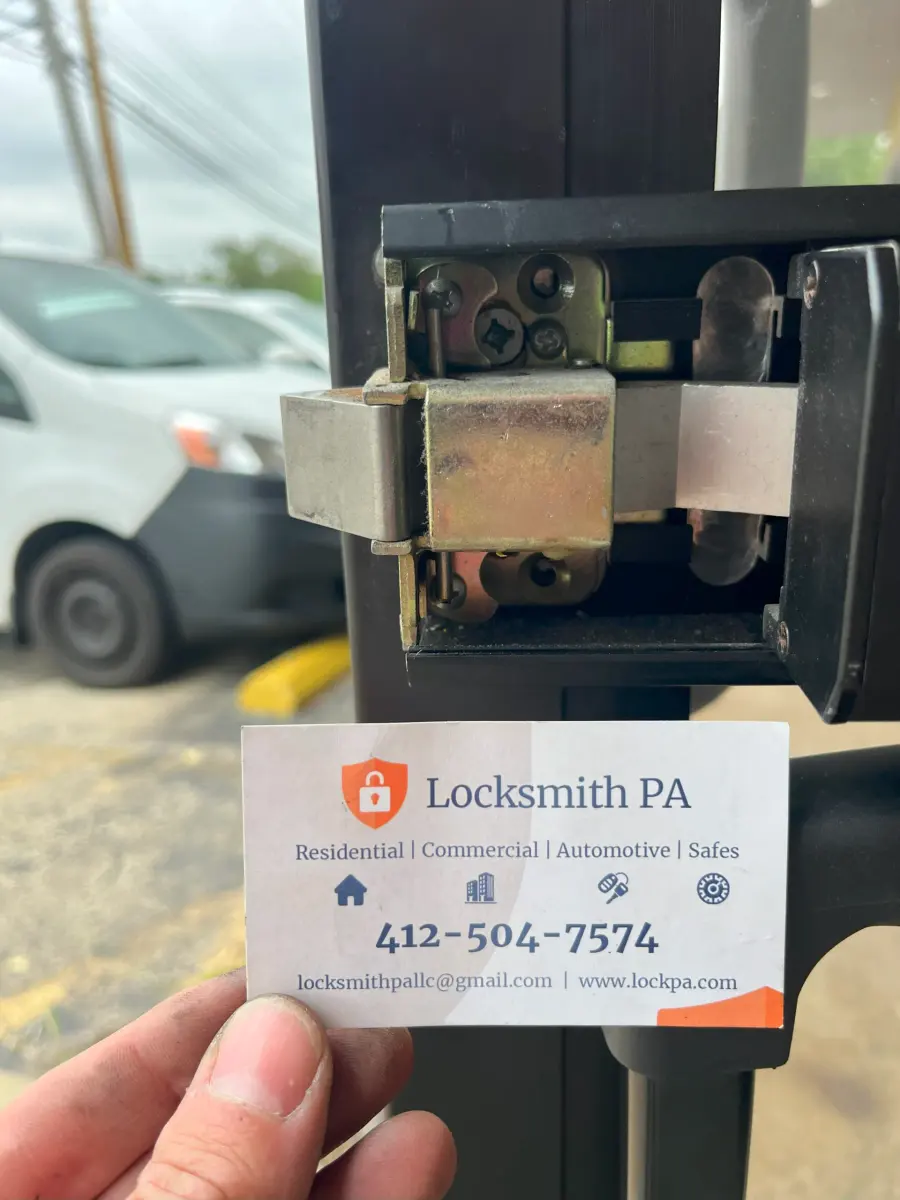
An exit device, often called a push bar or panic bar, lets people leave a building by pushing a bar across the door. A key on the outside, or a trim handle, controls entry from outside. Rekeying changes which key works there, and does not change the push action from inside.
If you are locked out of a building through an exit device door, the problem is different: the key controls entry from outside only, and a lost key is a commercial lockout job. For buildings with many doors and many keyholders, a master key system may make more sense than rekeying doors one by one.
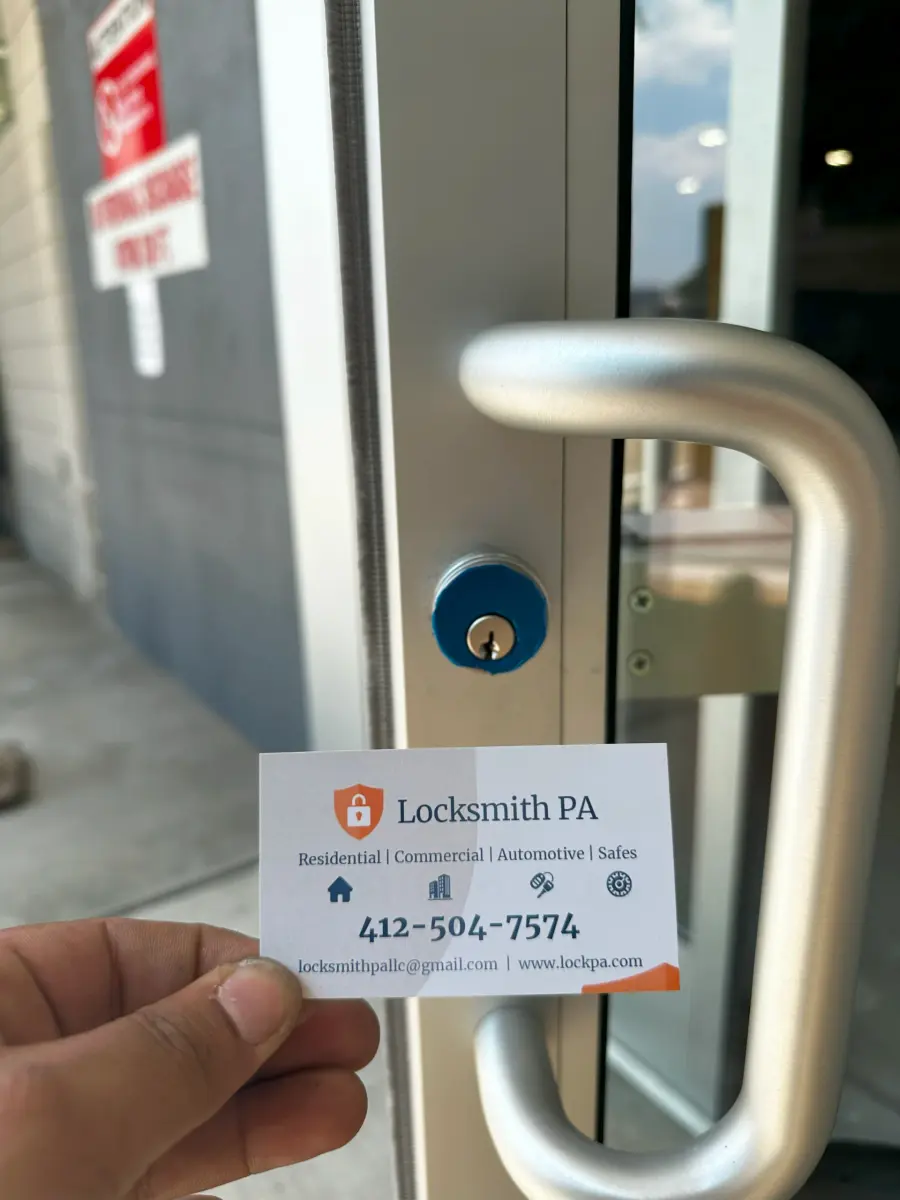
Panic Hardware and Fire Exit Hardware
Two kinds of exit hardware are named in building codes. Panic hardware is used on doors that people must be able to open quickly in an emergency. Fire exit hardware is panic hardware that is also tested and listed for use on fire-rated doors. Both are meant to release with a single push, whatever the situation.
The 2021 International Building Code says that swinging doors serving Group H, and rooms with an occupant load of 50 or more in Group A or E, may have no latch or lock other than panic hardware or fire exit hardware. Whether that edition governs a given Pennsylvania building is for the local code official to say.
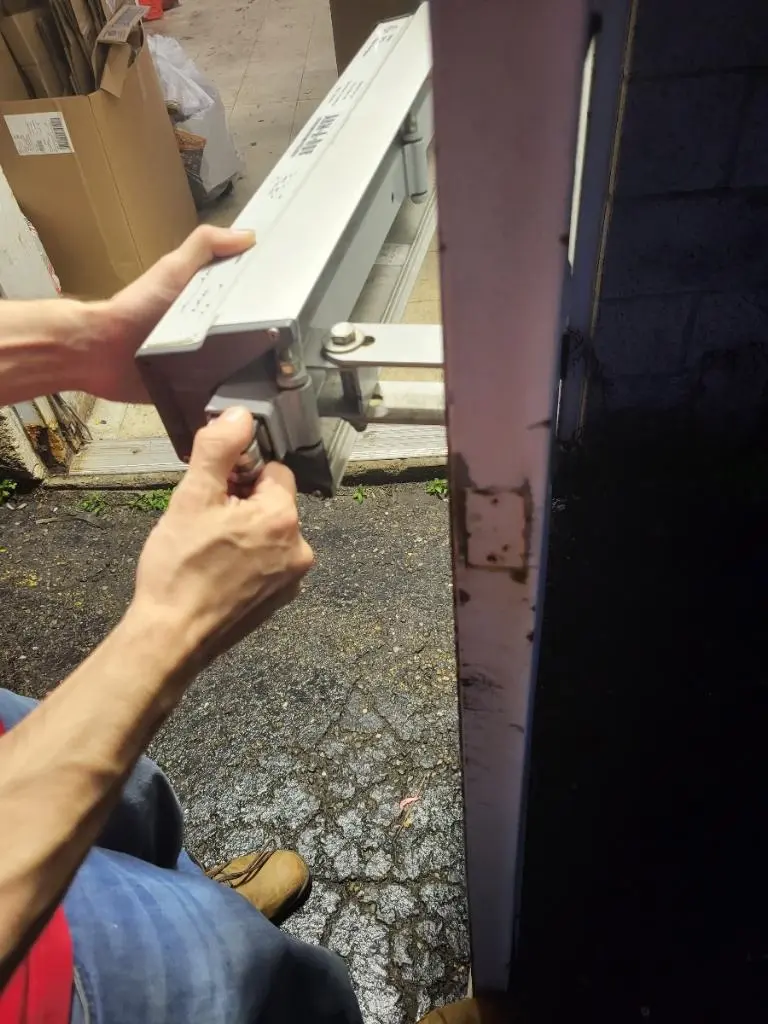
What the Code Says About How It Must Release
The same code gives numbers. Installed panic hardware must be listed to UL 305, its releasing part must span at least half the width of the door leaf, and the maximum unlatching force is 15 pounds (67 newtons). These figures are what make a push bar usable by a person in a hurry, including one who is small or weak.
A rekey does not change those figures, and no good technician will alter them. The work is limited to the cylinder that controls entry from outside. If a bar is bent, loose or hard to push, the technician will tell you, because a stiff bar is a safety fault and not only an inconvenience.
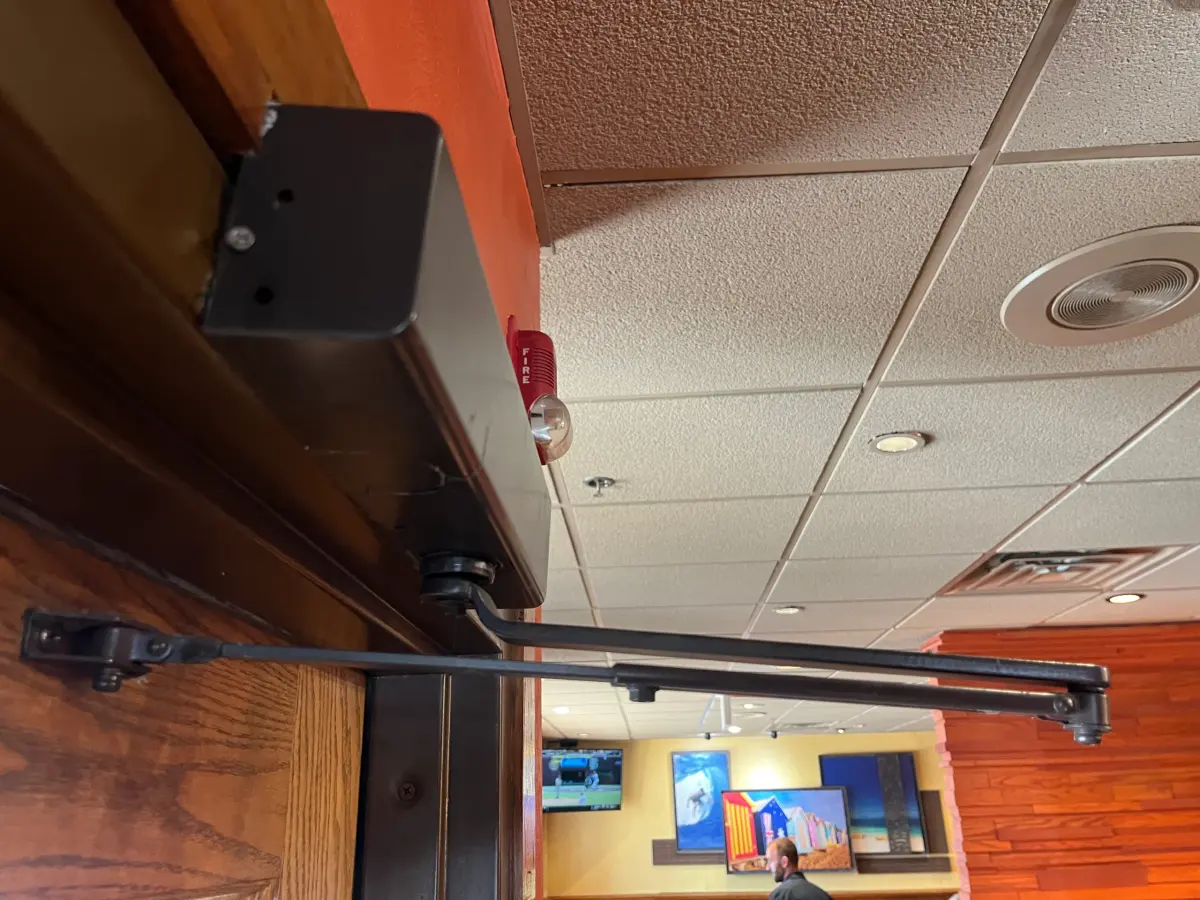
Exit Device Rekey Pittsburgh PA: The Work on Site
The technician first checks the device works freely from inside, pushing the bar and watching the latch retract. Then they remove the outside cylinder, rekey it or fit a new one, cut keys, and refit it. The key is tried from outside, and the push bar is tried from inside, to confirm both work as they should.
If the cylinder is worn or the device does not release smoothly, the technician will tell you what is wrong and what it would take to put it right. Any extra work is agreed with you first, and any fault that affects free exit is flagged clearly, since it should not be left.
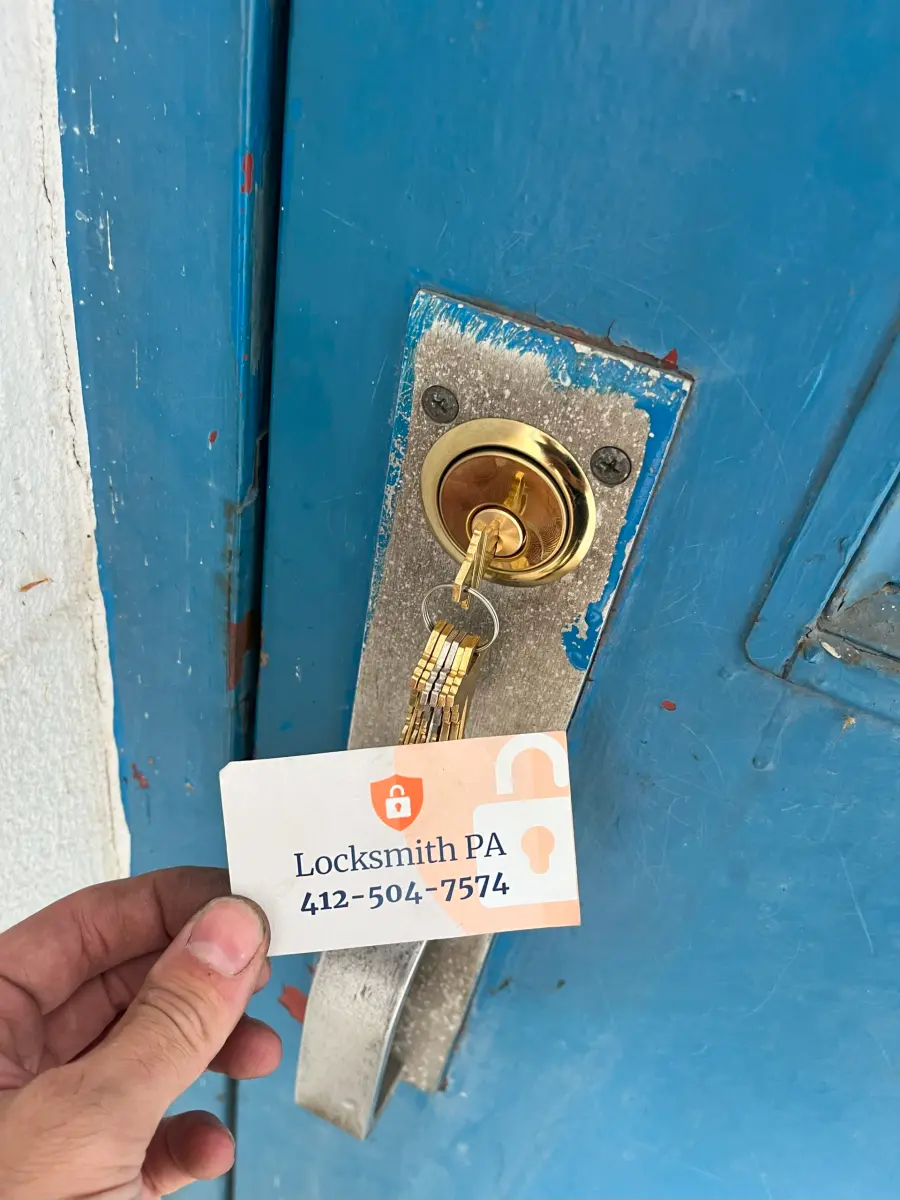
Panic Bar Rekey: Which Cylinder and Which Side
A panic bar rekey usually concerns the outside of the door only. Some exit devices have a key cylinder on the device itself, used to dog the bar down so the door stays unlocked in daytime. Others have a trim, such as a lever or knob, with its own cylinder. The technician identifies which cylinder controls what before changing anything.
Getting this right matters. Rekeying the wrong cylinder can leave the outside unchanged, or take away a function you use. Tell us how the door is used: whether the bar is dogged open during the day, whether outsiders can enter with a key, and who holds the keys now.
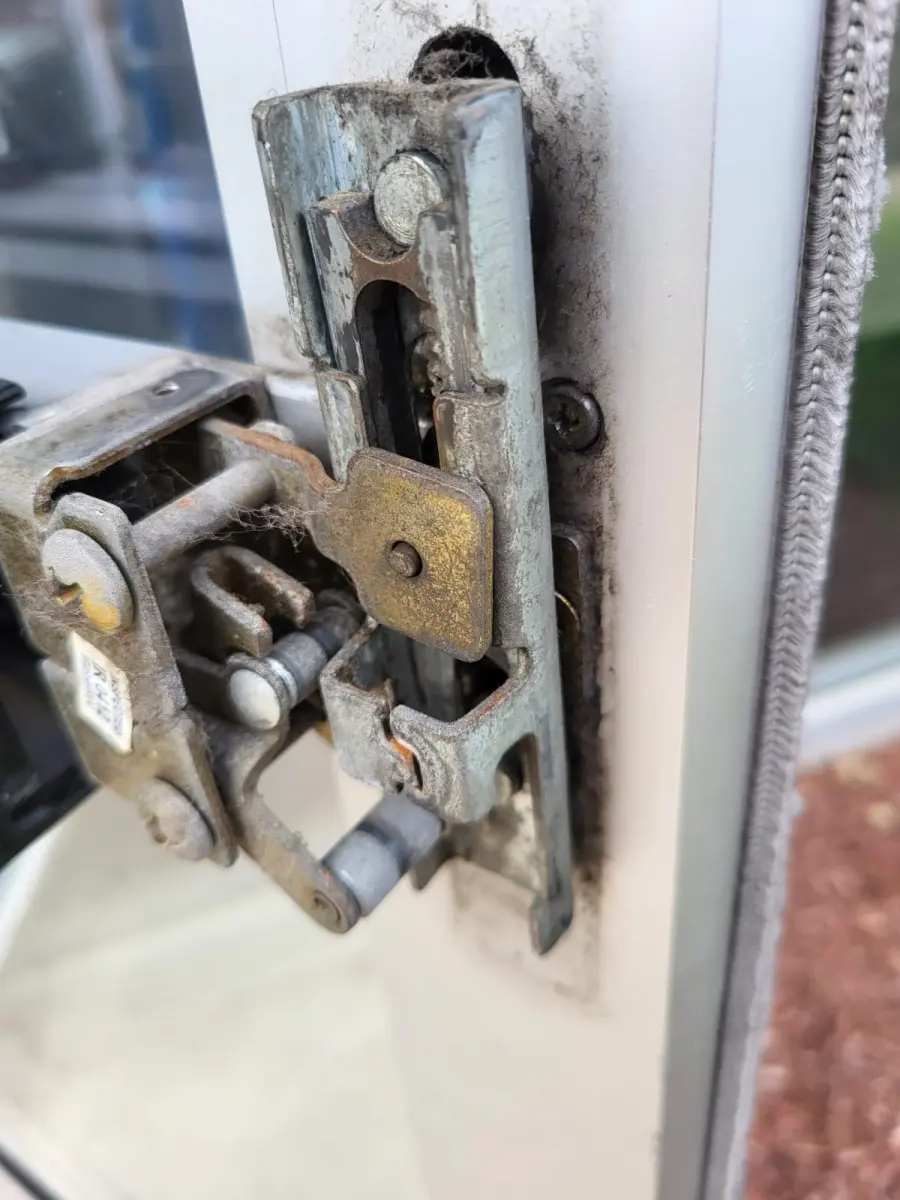
Types of Push Bar Locks
Push bar locks come in a few forms. A rim device mounts on the face of the door and latches onto a strike on the frame. A mortise device sits inside the edge of the door. A vertical rod device latches at the top and bottom of the door, often on a pair of doors, and has no central latch at all.
Each type has its own cylinder and its own way of being rekeyed. A technician will look at the device before suggesting work. If you know the maker and the model, say so when you book, since it lets the technician arrive with the right parts and avoid a second visit.
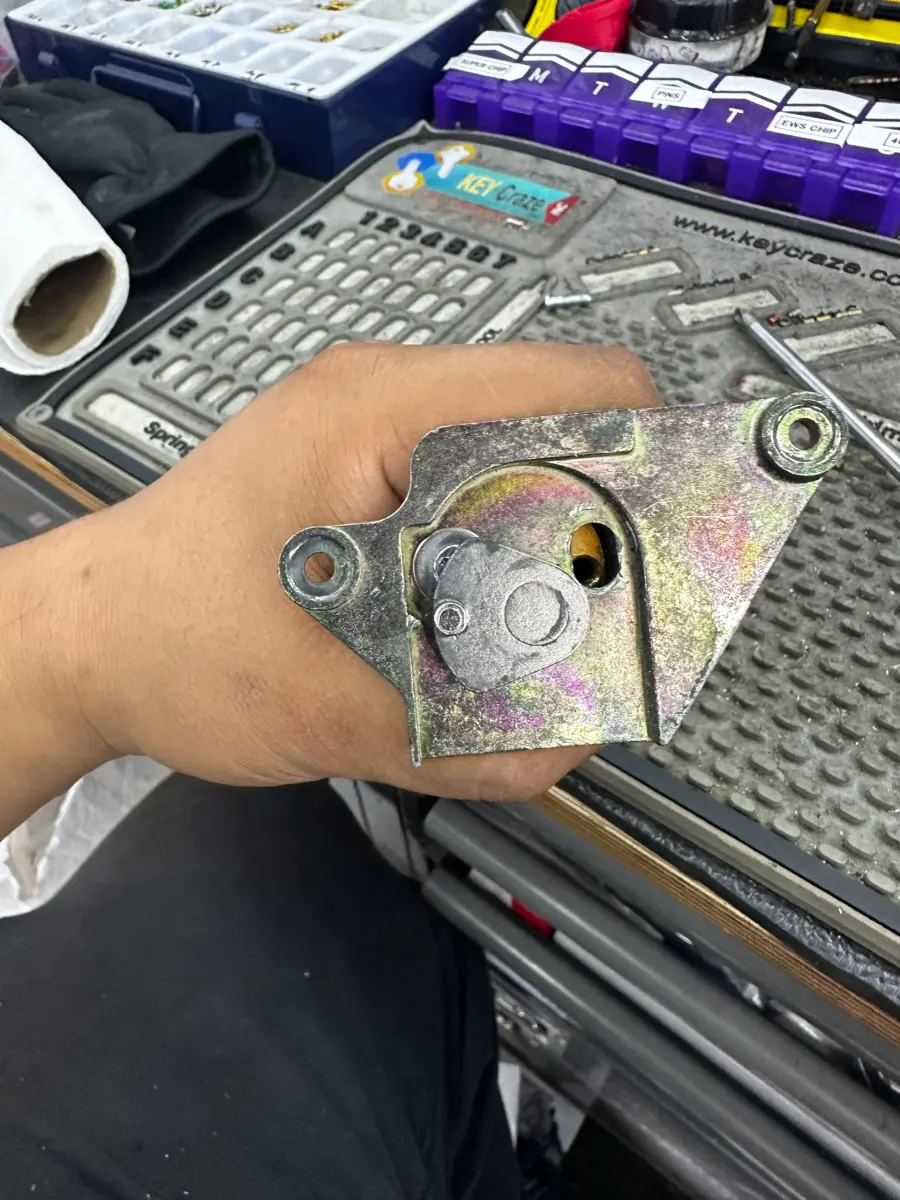
Exit Device Cylinder: Replace or Rekey
An exit device cylinder can often be rekeyed. If the cylinder is worn or damaged, replacing it with a new one is simpler and gives a fresh start. Some owners choose to fit a restricted-keyway cylinder at the same time, so keys cannot be copied at a hardware store without the owner's authority.
Whether to rekey or replace depends on the condition of the cylinder and the level of control you want. We will explain the difference at the door and let you decide. Our commercial lock rekey page explains the same choice for the other locks on your premises.
Keeping Exit Doors Safe and Working
Test every exit door regularly. Push the bar and confirm the door opens at once with a single push. Look for a bar that is loose, bent or slow to return, a door that drags on the floor, and any chain, wedge or lock added to the door by someone. Anything that slows exit is a danger in an emergency.
If you find a fault, do not wait for the next inspection. Call for a repair. Panic hardware service of this kind is best done early, because a bar that sticks today may not release at all when it matters. When keys are rekeyed, we also check the device, so a fault is found while the technician is already there.
Book a Visit
Describe the door when you call (412) 504-7574 or send a request online: the maker of the bar if you know it, how many doors, and whether the bar is dogged during the day. Insurance of $1,000,000 and a 12-month warranty apply to the work.
Frequently Asked Questions
Does rekeying change how the bar works from inside?
No. Rekeying only changes the key that works from outside. The bar must still release the door with a single push, and the technician checks that it does.
Can you rekey a door with a vertical rod device?
Usually yes. The cylinder is on the outside trim or on the device, and the technician can rekey that. Tell us the make if you know it.
What does dogging mean?
Dogging holds the push bar down so the door stays unlatched, for example during business hours. A key or a tool usually sets and releases it, and that can also be rekeyed.
Is your work compliant with the building code?
Rekeying does not alter how a device releases. For any question about what the code requires for your door, ask the local code official, since the edition and local amendments decide.
Source: 2021 IBC chapter 10 (ICC)