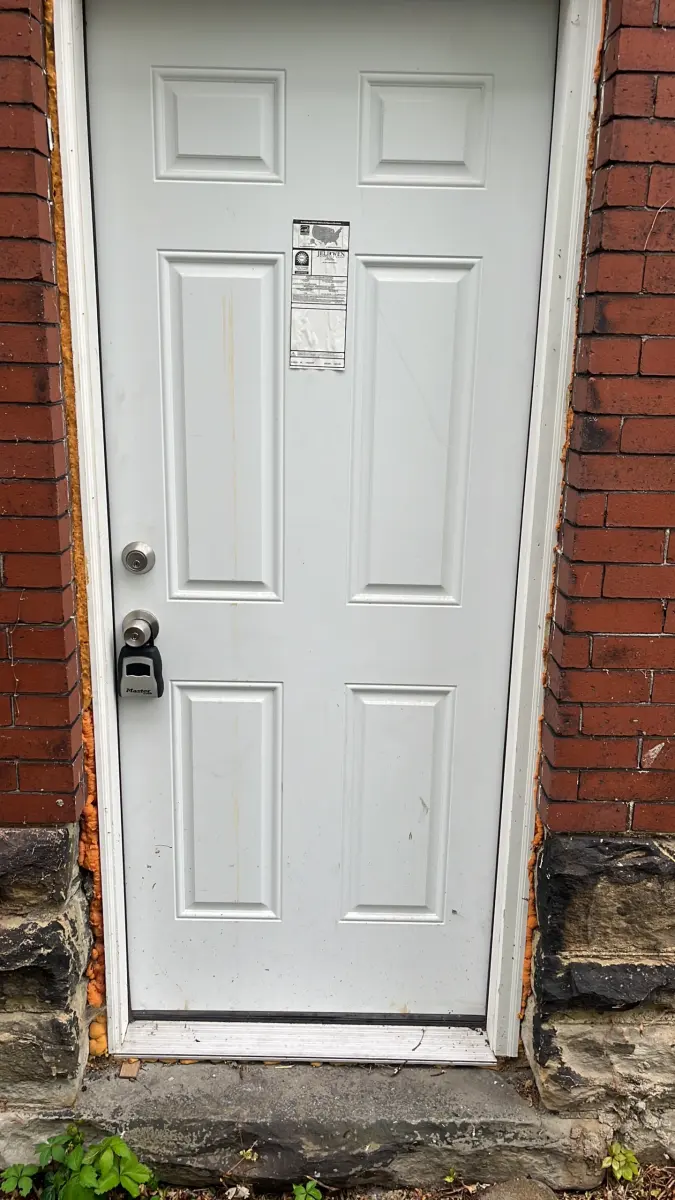
Lost House Keys: What to Do in the First Hour
- Registered contractorPA192675
- Insured$1,000,000
- 12 months warrantyOn our work
- 24/7Mobile service
- 5.0 on Google25 reviews
Lost house keys are stressful because you do not know who has them. The first hour matters, but panic does not help. Work out whether the keys are lost or only misplaced, decide how risky it is if a stranger has them, and make the door safe again. This guide gives six steps in order, and explains when a lock rekey is the sensible answer.
If you are standing outside the door right now, skip to the last section, or call the number on this page for a house lockout. The rest of this guide can wait until you are inside and warm.
Six Safe Steps When You Have Lost House Keys
The steps below start with the cheapest checks and end with the strongest fix. Most lost keys turn up in the first three. If they do not, steps four to six make the house safe regardless of where the keys went.
- Stop and retrace your day: pockets, bags, the car, the last place you used the keys.
- Ask people you were with, and call places you visited, such as a shop, office or restaurant.
- Look in the obvious hiding spots at home, including coat pockets and the key bowl.
- Decide how risky the loss is: is there anything on the key ring that shows your address?
- If there is any doubt, have the locks rekeyed so old keys stop working.
- Cut spare keys on the new set, and keep one with someone you trust.
Lost or Only Misplaced?
A key left at a friend's house or in your own coat is misplaced. A key dropped in public, or taken in a stolen bag, is lost. The difference is whether a stranger could be holding it. If it must be at home or in your car, wait an hour; otherwise treat it as lost.
The address matters most. If the ring carried a tag, a card or a car registration with your address, anyone who finds it knows which door to try. Without any marking, a found key is far less dangerous, but it can still be tried on doors near where it was lost.
When Should I Rekey After Losing House Keys?
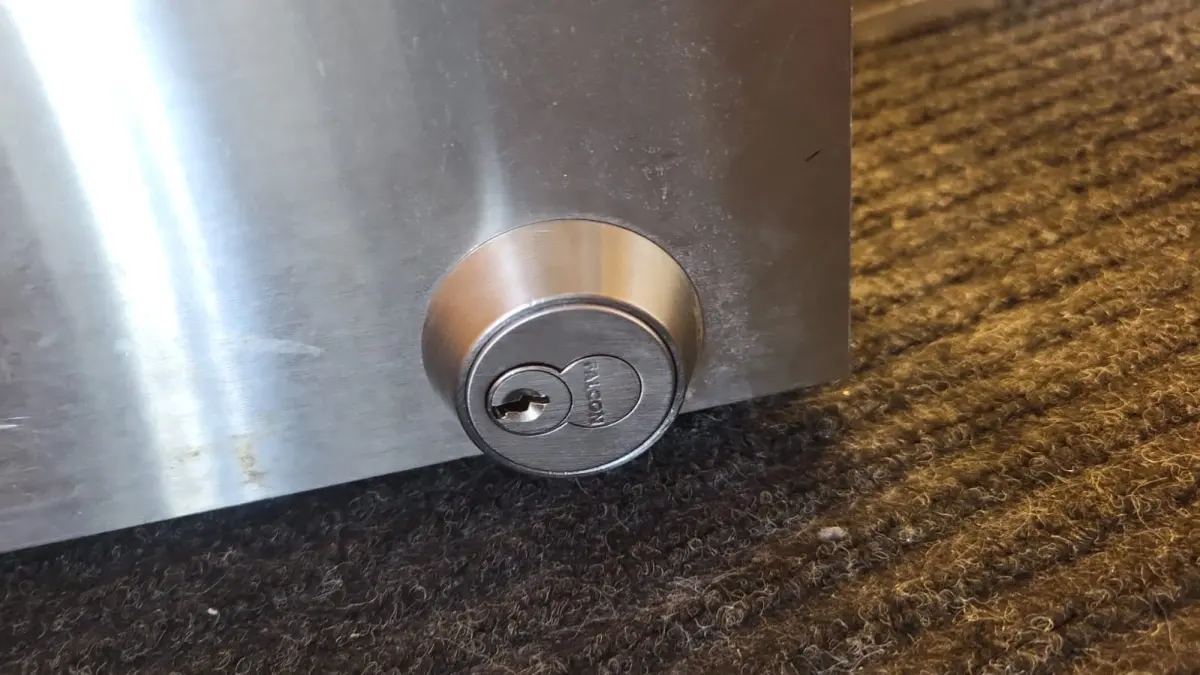
Rekey whenever lost house keys could be in a stranger's hands, or when you cannot rule it out. A rekey changes the pins in your existing locks so the old keys stop working, while the locks, doors and fittings stay in place. It is the standard answer to a key that may have gone astray.
If the keys are found within a day or two, in a place you are sure about, you may decide not to rekey. It is a judgment call about risk, and it is yours to make. Our rekey vs replace locks guide explains the options.
When Replacing the Lock Is the Better Choice
If a lock is worn, loose or damaged, a rekey is not the right fix, because the weakness is in the hardware. A lock change fits new locks and new keys together. Replacement also suits a house where you would like an upgrade at the same time.
One upgrade to consider is a keypad or smart lock, which lets you change who can enter without cutting a key. If you often lose keys or have several people coming and going, a smart lock installation may suit you better than a metal key.
If You Are Locked Out as Well
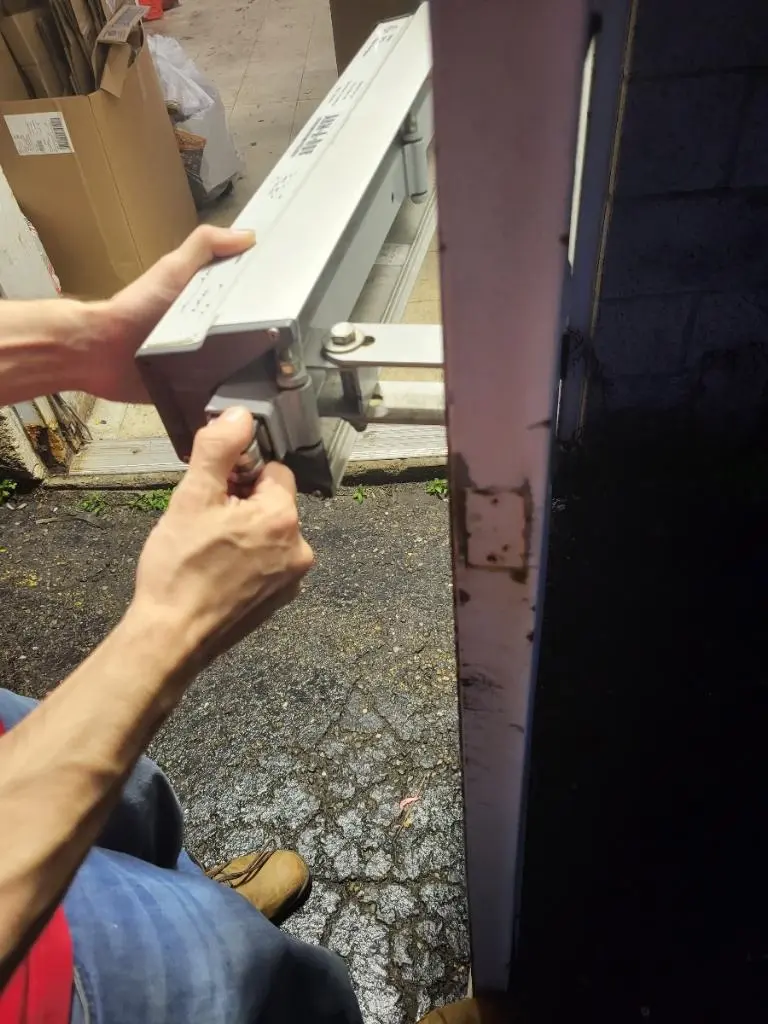
Losing your keys often means being locked out. Before you call, check every door and window you can reach safely at ground level, and ask whether anyone has a spare. Do not climb or break glass. If a child or pet is inside, call 911 first.
When a locksmith arrives, ask for identification, as the Minnesota Attorney General advises consumers to do, and read about locksmith scams first if you have time. A technician can often open a door without damage, and can rekey the lock on the same visit so the lost keys no longer matter. That is the efficient way to solve both problems at once.
Renters and Shared Houses
If you rent, tell your landlord or property manager about lost house keys straight away. Many leases do not allow a tenant to change locks without permission, and the landlord may arrange the rekey. In a shared house, tell the other tenants so that nobody leaves the door unlatched in the meantime.
Keep a note of who has keys. A small written list of key holders, with dates, makes the next loss easier to handle, and it settles who is responsible if a lock has to be changed. A shared house is the place where a list is most worth having.
What to Tell the Call-Taker
Give the address, say whether you are inside or outside, and say how many locks use the lost key: front door, back door, a garage entry or a padlock. Mention whether the keys carried your address, because that tells the technician how urgent the rekey is, and which doors to do first.
Spare Keys: How Many and Where
A spare key is the cheapest insurance against a lockout. Keep one with a person you trust who lives or works nearby, and keep another in a place you control, such as a wallet or a safe. One spare is enough for most households; more copies means more keys to track and more chances for a loss.
Make spares from a key that works well. A copy of a worn key can inherit its wear and stick in the lock. Ask the locksmith to cut spares from a fresh key after a rekey, and test each spare in the lock before you put it away.
Making a Repeat Loss Less Likely
A few habits cut the risk. Put keys in the same place every day, a hook by the door or one pocket of a bag. Do not label the ring with your address. Leave a spare with someone you trust, not under the mat or in a flower pot, where anyone can find it.
A spare key made after a rekey costs little compared with the cost of another lockout. If you use a smart lock, remember to carry a backup way in, such as a physical key, and replace its batteries on a schedule instead of waiting for a warning light.
Frequently Asked Questions
Should I change my locks if I lose my keys?
If the keys could be in a stranger's hands, yes, at least rekey. A rekey makes old keys useless without replacing the locks. If you are sure the keys are somewhere safe, such as your own car, you may wait and look.
Can a locksmith get me in without damaging the door?
Often, yes. Many house locks can be opened without drilling or breaking anything. Ask whether the lock can be opened intact before agreeing to a replacement, and ask for the work to be explained before it starts.
How soon can the locks be rekeyed?
Locksmith PA works at any hour, so a call can be made as soon as you decide. Tell the call-taker the address and how many locks need new keys, and the technician will plan the visit around that.