Locksmith Scams: Warning Signs and How to Avoid Them
- Registered contractorPA192675
- Insured$1,000,000
- 12 months warrantyOn our work
- 24/7Mobile service
- 5.0 on Google25 reviews
Locksmith scams work because a lockout is urgent. You are standing outside, it may be cold or dark, and you will say yes to the first company that answers. The pattern is old and simple: a low price on the phone, a different price at the door. Eight warning signs, and the questions that expose each one, will protect you if you call before you pay.
The guidance below draws on a consumer warning from a state attorney general, and on ordinary common sense. It applies to any company, including ours: ask us the same questions. If you are already locked out, our emergency locksmith page explains how a call is handled.
How Do Locksmith Scams Work?
A typical scam starts with an ad that looks local, using a town name, a local phone number or a claim of long local service. The call is answered at a distant call center, which sends the job to a contractor, and the price rises on arrival. The Minnesota Attorney General describes this.
The Attorney General's office reports lockout victims being charged far more than they were quoted: one woman quoted $95 was charged $260, and a student quoted a $10 service fee plus $35 was told the price would be $140 when the locksmith arrived. These are examples from one state, but the pattern is the same everywhere.
Eight Warning Signs of Locksmith Scams
No single sign proves a scam, but several together should make you stop and call someone else. Read the list before you need it, and keep the phone number of a locksmith you trust somewhere you can find it without a key.
- The call is answered with a general phrase such as "locksmith" or "locksmith services" and no company name.
- The person will not give a business name or a street location.
- The quote is a very low fee that rises once the technician is at the door.
- No estimate is offered until the car has been inspected.
- The technician arrives in an unmarked car and the name does not match the company.
- The technician refuses to try opening the door and insists on a new key or lock.
- You are asked to sign a blank work order.
- The receipt is not itemized, or none is offered.
What to Ask Before You Agree
The Attorney General's advice is to ask for the name and location of the business, and to refuse a company that will not give them. For a car, a locksmith should quote from the year, make and model, including the total for all work, extra fees and parts. For a house, describe the lock you have.
Ask about the service call fee, the labor and the mileage, because these are the hidden fees that grow on the doorstep. If the person on the phone cannot say what the total will be, or says it depends on what the technician finds, treat that as a reason to call another company.
What to Check When the Technician Arrives
Ask the technician for identification, and look at whether the name matches the bill and the vehicle. The Attorney General suggests this check because scam operators often send contractors who are not tied to the company on the phone. A real business will not mind the question, and it takes ten seconds.
Before work starts, agree the total in writing, or by text, and do not sign a blank work order. Afterwards ask for an itemized receipt showing the service call, labor and mileage. If the price has changed from the quote, stop the work and ask why before anything is done. If anything feels wrong, you can stop the job and call someone else.
Claims That Sound Reassuring but Prove Little
Some scam operators claim to be licensed and bonded. The Minnesota Attorney General notes that some out-of-state companies have made those claims falsely, and that Minnesota law does not require locksmiths to be licensed or bonded. Rules differ by state and town, so a badge alone is no defense against locksmith scams.
Check that the company can tell you where it is based and show insurance that covers damage. A long-sounding claim such as "over 30 years in the community" is also cheap to write on an ad and impossible to check on the phone. Judge the business by what it will put in writing.
Locksmith Scams on Cars and on Houses
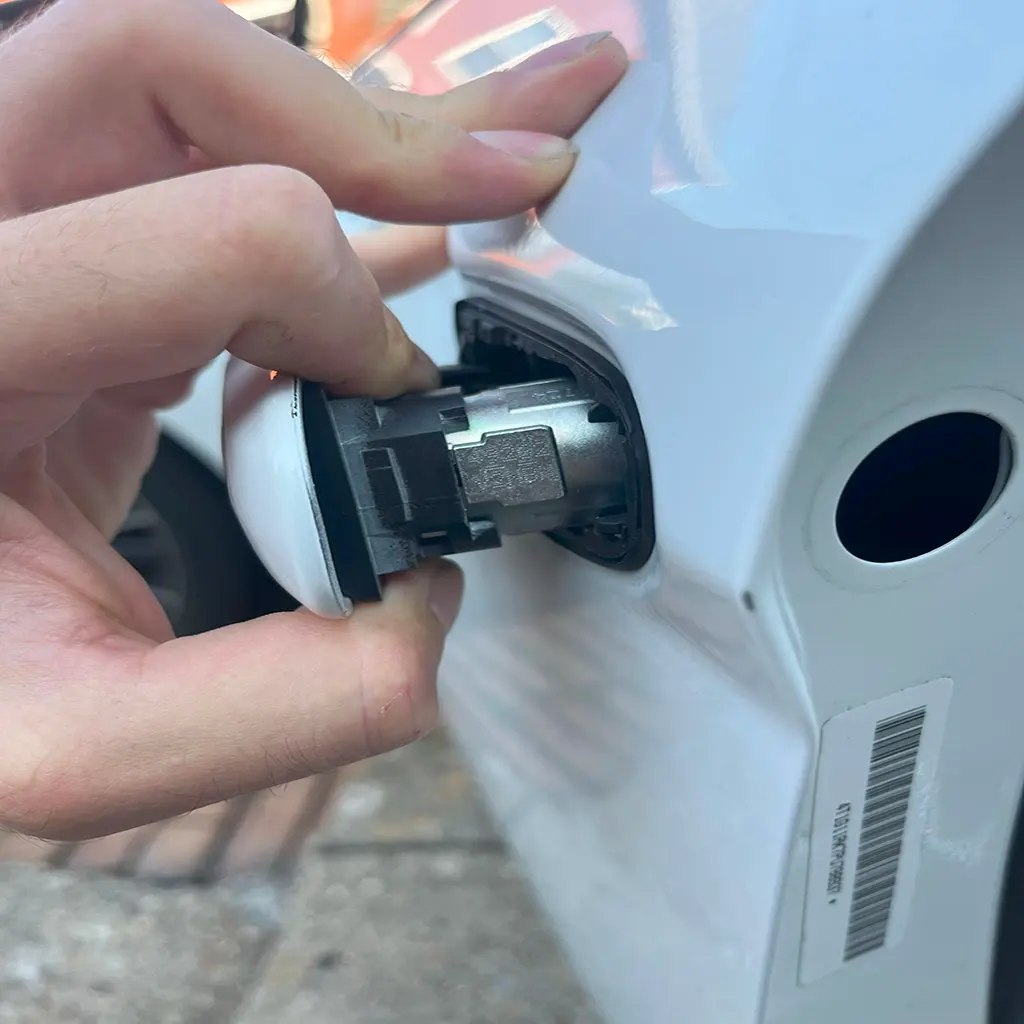
Car lockouts are a common target because the quote depends on the vehicle, which lets a scammer hide a high price behind a vague estimate. A reputable company can usually quote a car lockout from the year, make and model; see our car lockout page for what the work involves, and our guide to being locked out of your car.
House lockouts follow the same pattern, with a twist: the technician may insist that the lock must be drilled and replaced. Many house locks can be opened without damage. Ask whether the lock can be picked first, and compare with a house lockout quote from another company if you have time.
If You Think You Have Been Overcharged
Pay by card where you can, because a card payment can be disputed with the issuer. Keep the quote, the receipt and any messages. If you believe a crime took place, such as damage to your property or fraud, the Minnesota Attorney General's advice is to report it to local police or the county sheriff.
You can also describe what happened to your own state's consumer protection office. Reports help investigators see patterns, and a record of dates, names and amounts makes your case easier to follow. A written note made the same evening is more useful than a memory a month later.
Choosing a Locksmith Before You Need One
The best protection against locksmith scams is a name you already trust. Save a company's number in your phone, check that its listing shows a real business and read recent reviews, including how the owner replies. Choose a locksmith when you are calm, and the call at midnight becomes simple.
If you want to compare, read how a lock job is explained before it is priced. A page that tells you what is changed and why, as our rekey vs replace locks guide does, shows a company that expects to be asked questions. Locksmith scams depend on customers who cannot compare.
Frequently Asked Questions
Is a very low phone quote a warning sign?
Often. The Minnesota Attorney General reports quotes such as $10 plus $35 rising to $140 at the door. Ask for the total including the service call, labor, mileage and parts, and be wary if the person says the price depends on inspection.
Can I ask a locksmith for identification?
Yes. The Attorney General advises asking for identification when the technician arrives and checking that the name matches the name on the bill and the vehicle. A genuine business expects the request.
Are all locksmiths required to be licensed?
Not in every state, and the rules differ between towns. The Minnesota Attorney General notes that its state does not require locksmiths to be licensed or bonded. Ask the company what it holds, and check with your local authority.
Source: Minnesota Attorney General: Out-of-State Companies Posing as Local Locksmiths